
The materials we install
Browsing only. This is a look at what we commonly install — not an order form. Final selections, full color ranges, and samples you can hold are all handled in person at our design center — we’ll send the address when you book. Call (281) 745-5831 to set up a visit.
Porcelain, ceramic, and stone-look tile for floors, showers, backsplashes, and patios.
Floor Tile Planks
Porcelain planks with the warmth of oak and the durability of tile — the smarter choice in Houston humidity.
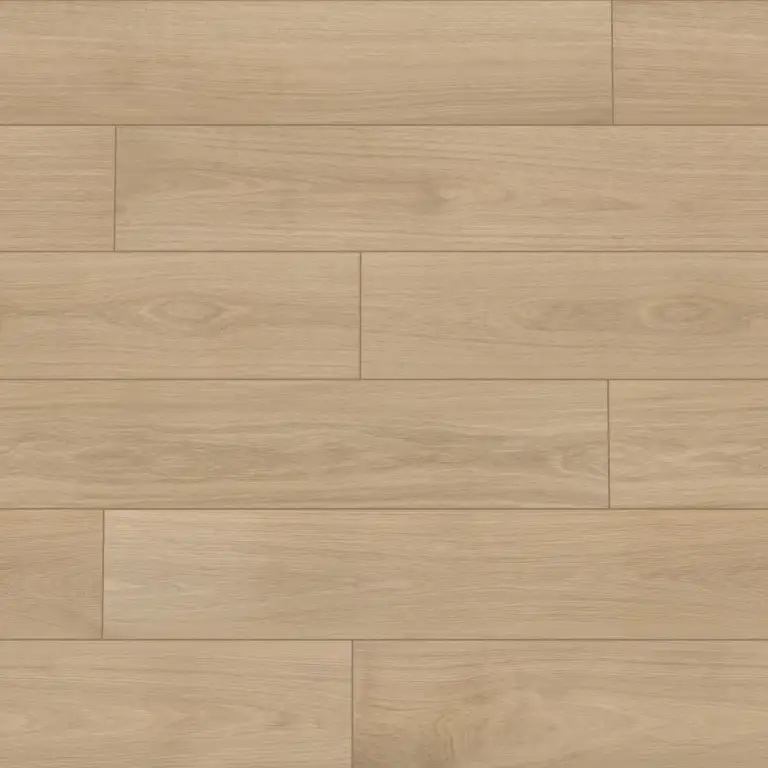 See it in your roomAsk about this
Building Blocks Wood Oak
Sand
8×47 · Matte
Emser Tile
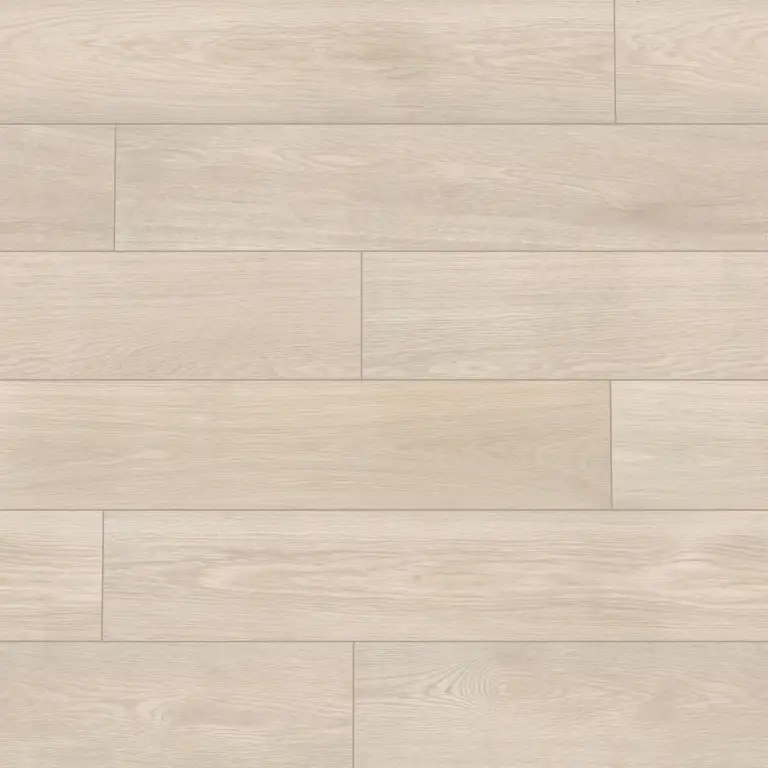 See it in your roomAsk about this
Building Blocks Wood Oak
White
8×47 · Matte
Emser Tile
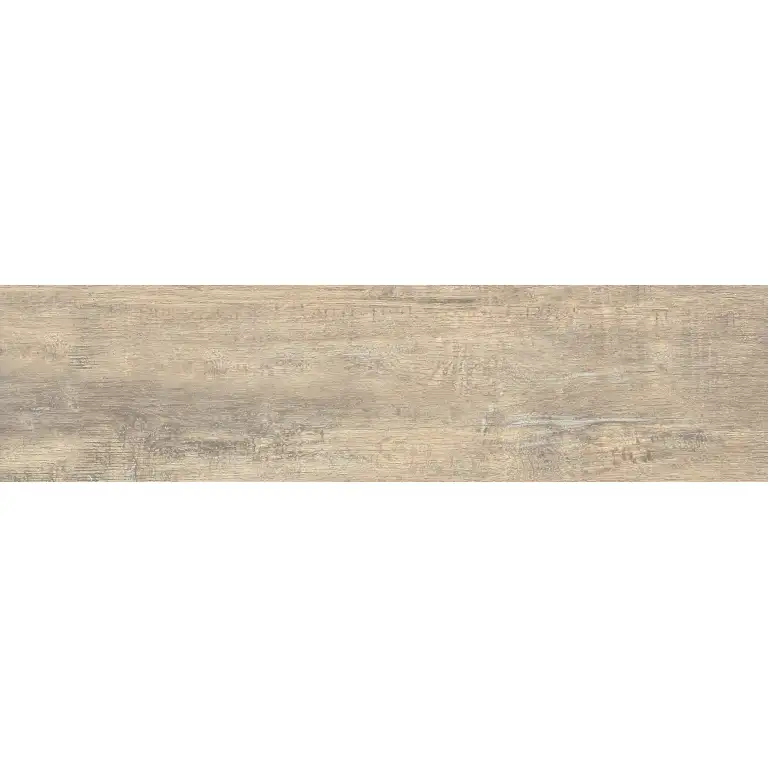 See it in your roomAsk about this
Finewood
Oris
9×35 · Matte
Emser Tile
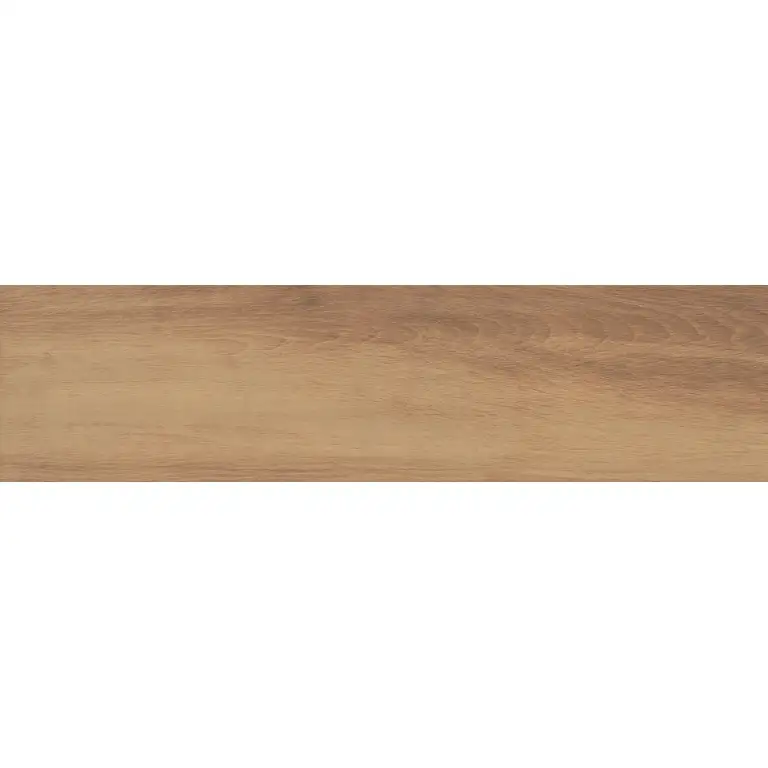 See it in your roomAsk about this
Finewood
Silva
9×35 · Matte
Emser Tile
Wall Tile
Handcrafted-look glazed tile for feature walls, tub surrounds, and accent runs.
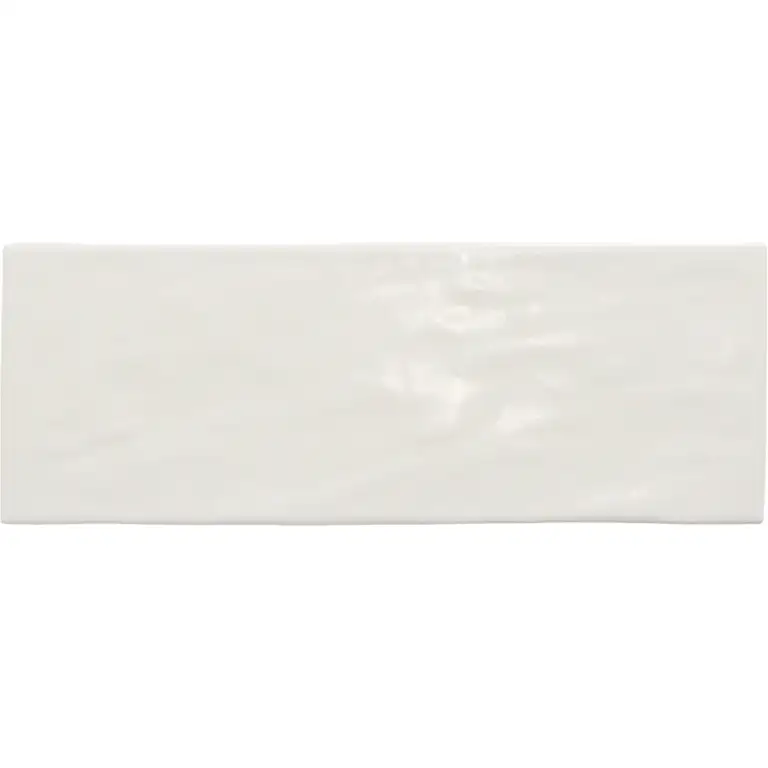 See it in your roomAsk about this
Pigmenta
Achro
3×8 · Glossy
Emser Tile
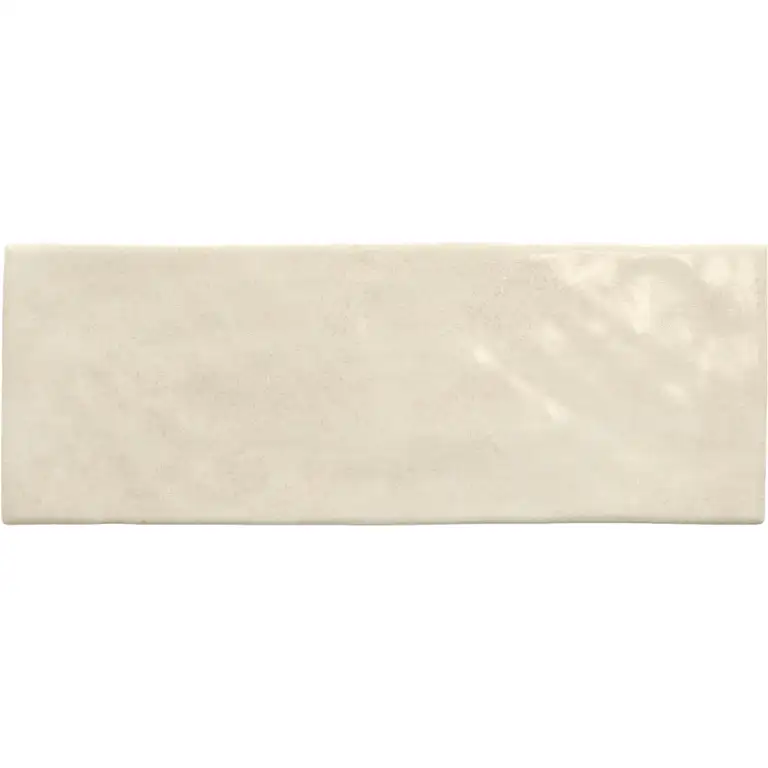 See it in your roomAsk about this
Pigmenta
Chroma
3×8 · Glossy
Emser Tile
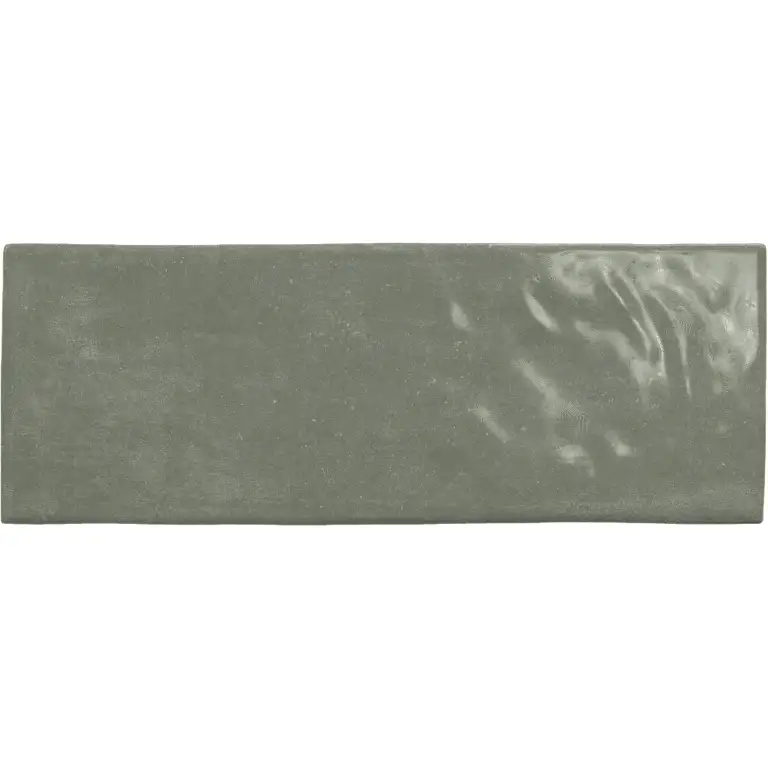 See it in your roomAsk about this
Pigmenta
Dye
3×8 · Glossy
Emser Tile
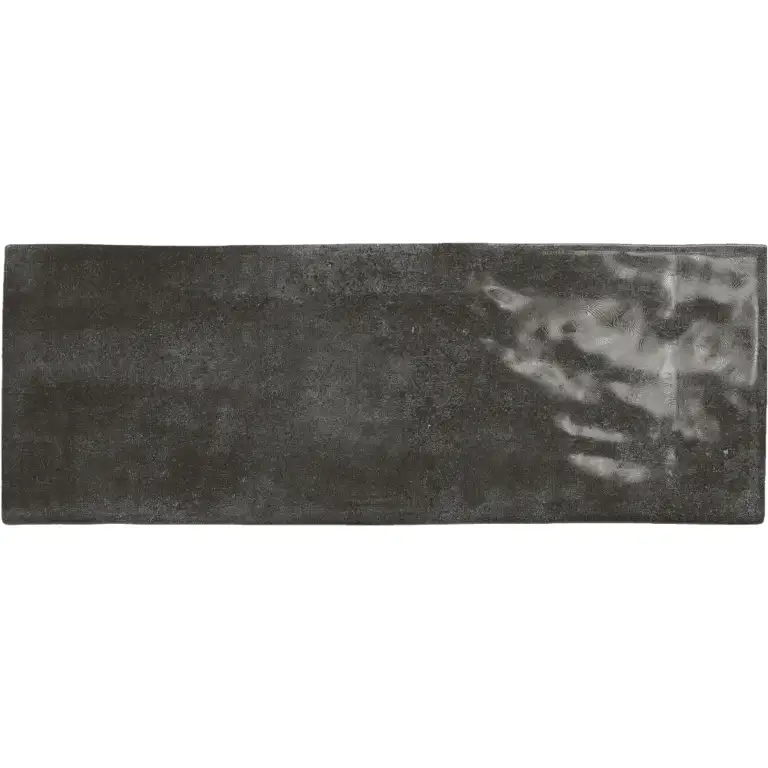 See it in your roomAsk about this
Pigmenta
Ink
3×8 · Glossy
Emser Tile
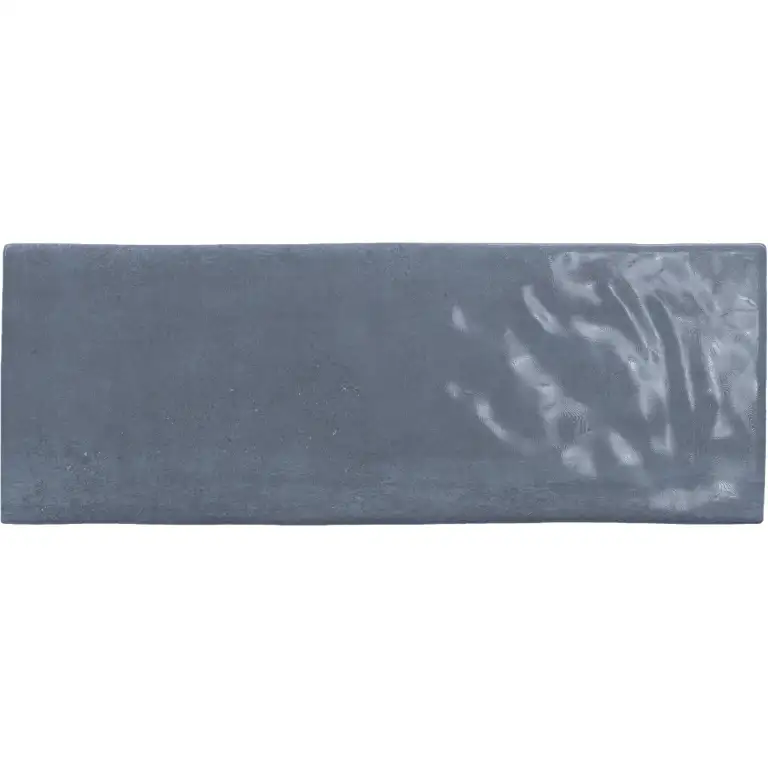 See it in your roomAsk about this
Pigmenta
Lapis
3×8 · Glossy
Emser Tile
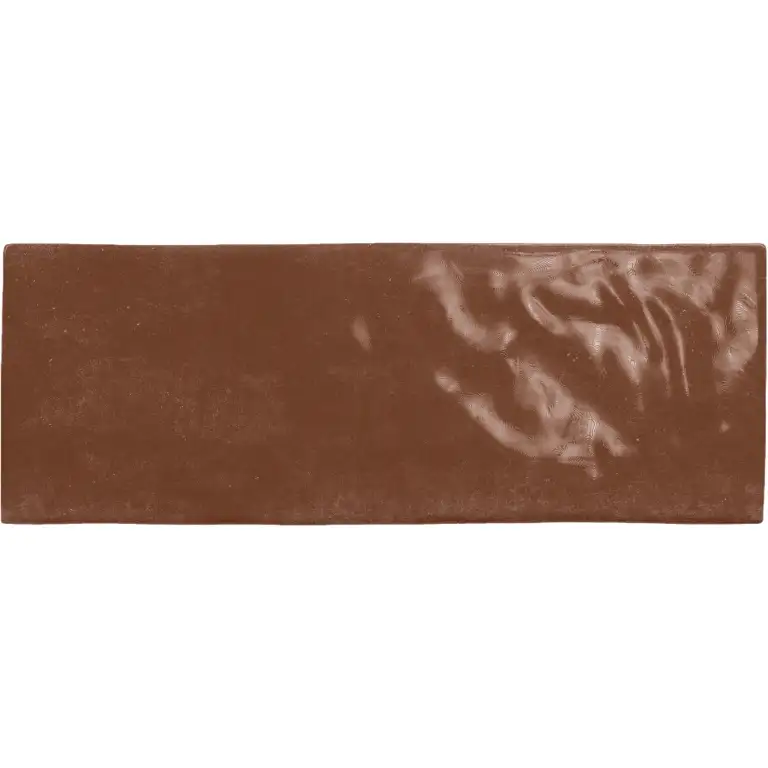 See it in your roomAsk about this
Pigmenta
Sienna
3×8 · Glossy
Emser Tile
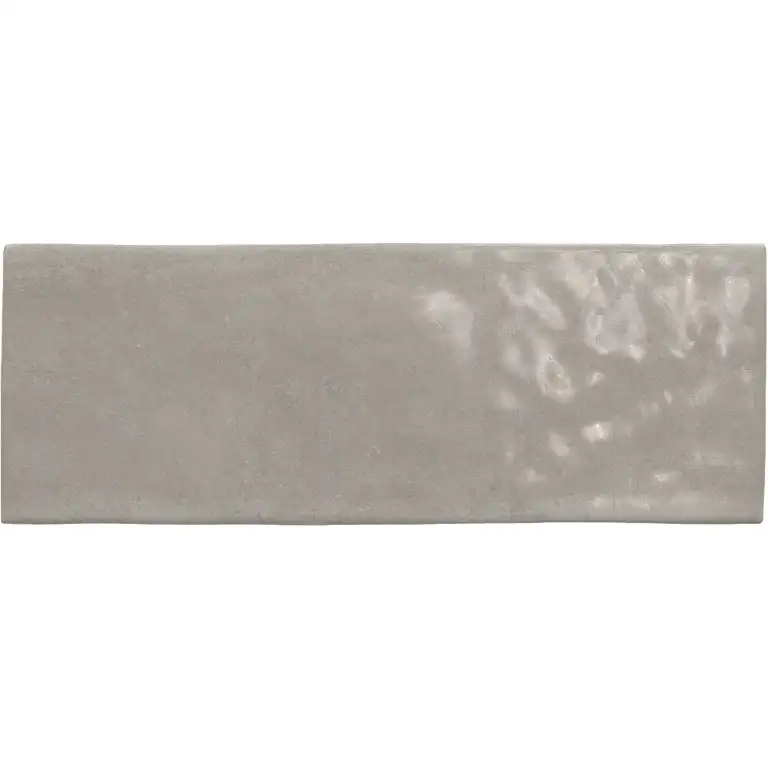 See it in your roomAsk about this
Pigmenta
Tint
3×8 · Glossy
Emser Tile
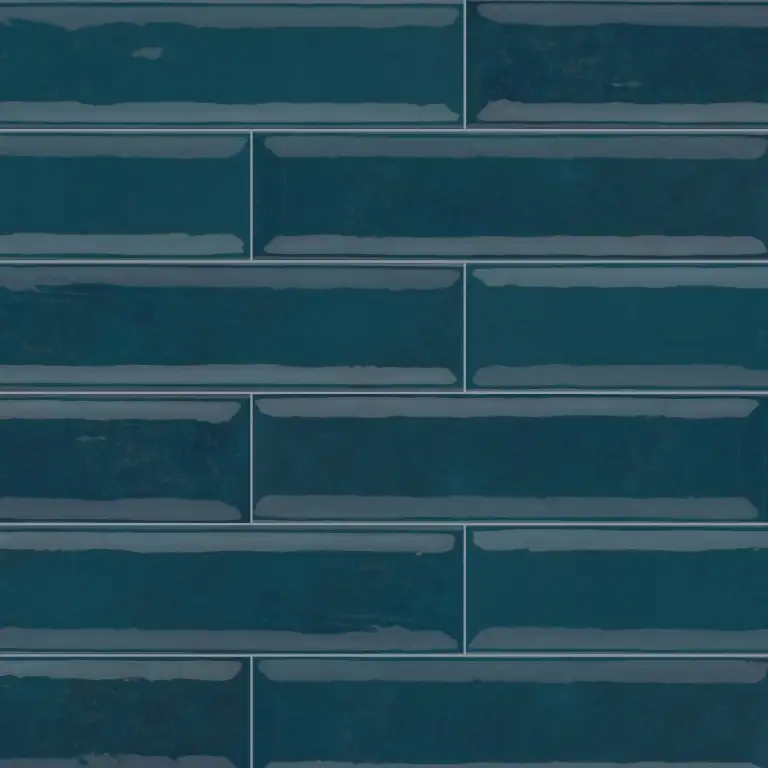 See it in your roomAsk about this
Raku
Blue
3×12 · Glossy
Emser Tile
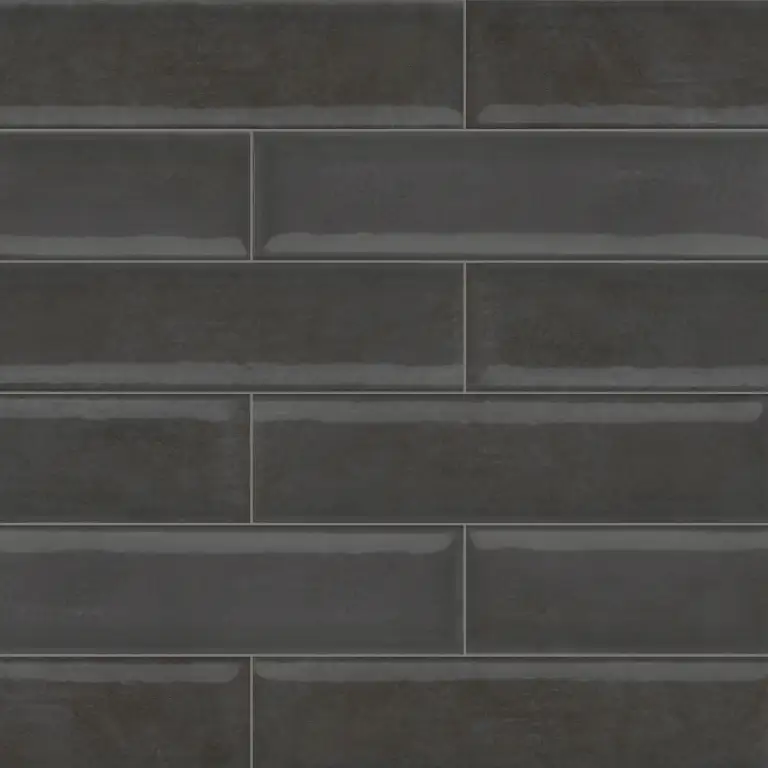 See it in your roomAsk about this
Raku
Charcoal
3×12 · Glossy
Emser Tile
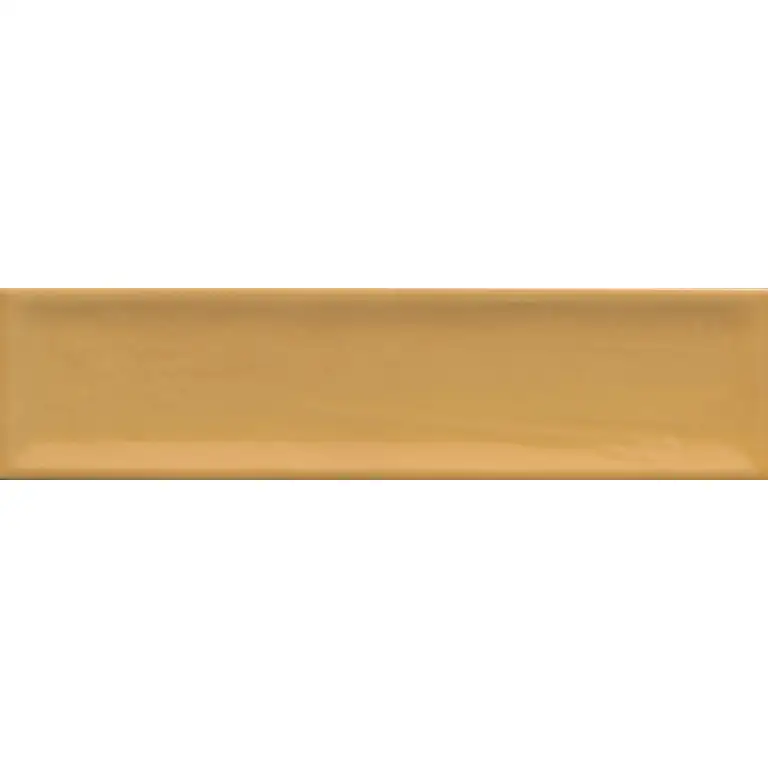 See it in your roomAsk about this
Raku
Mustard
3×12 · Glossy
Emser Tile
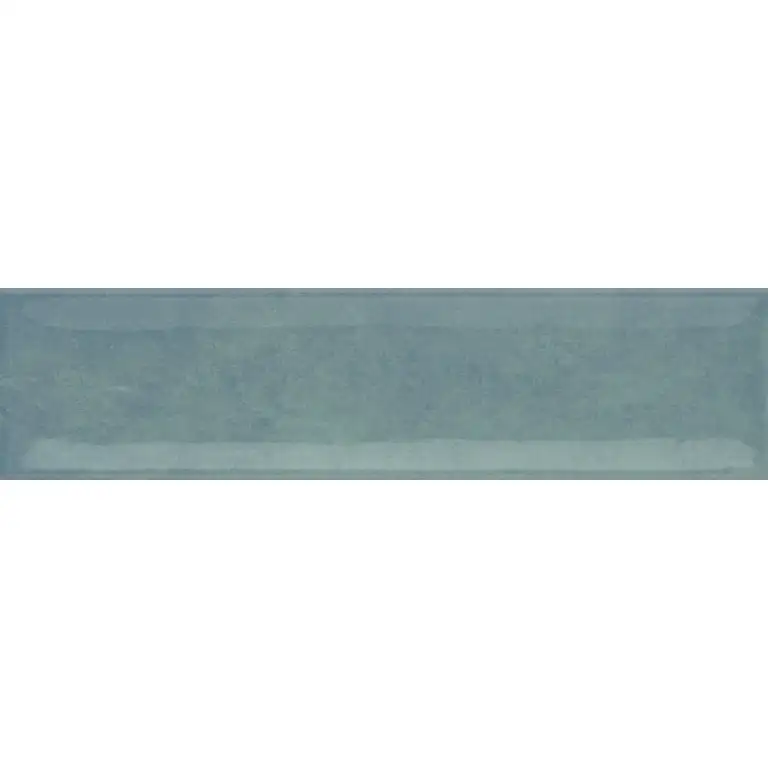 See it in your roomAsk about this
Raku
Ocean
3×12 · Glossy
Emser Tile
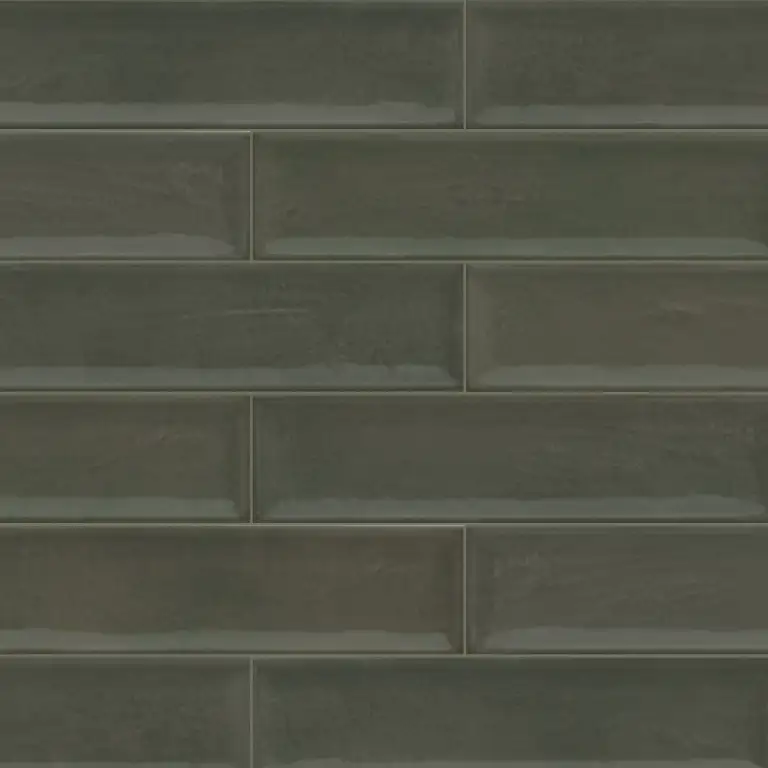 See it in your roomAsk about this
Raku
Olive
3×12 · Glossy
Emser Tile
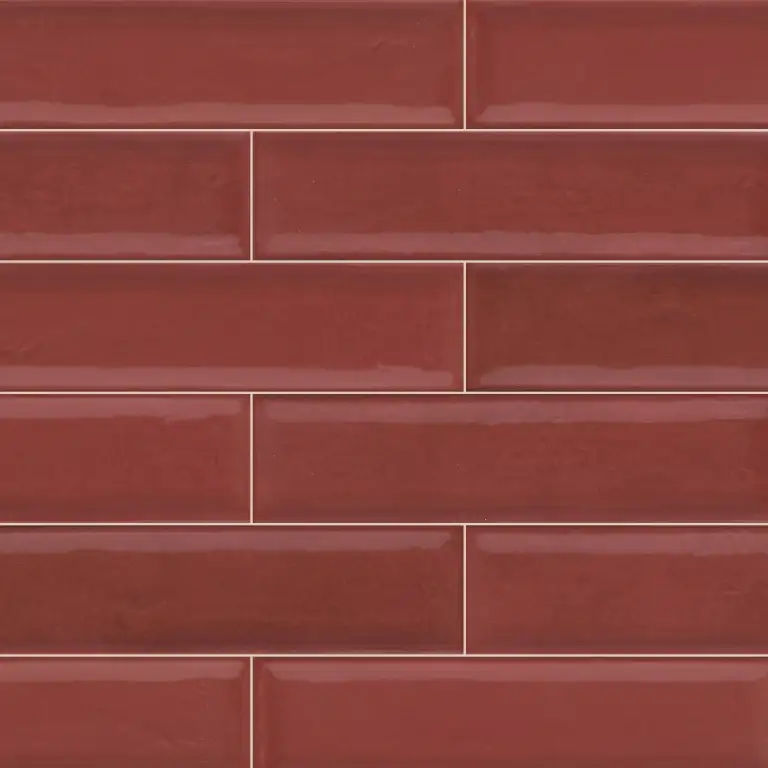 See it in your roomAsk about this
Raku
Ruby
3×12 · Glossy
Emser Tile
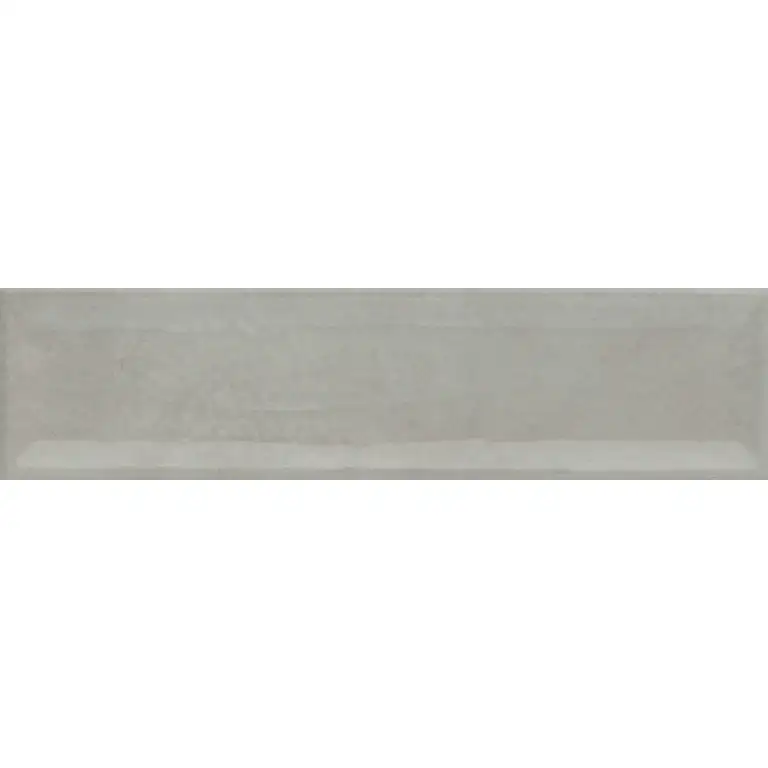 See it in your roomAsk about this
Raku
Silver
3×12 · Glossy
Emser Tile
 See it in your roomAsk about this
Raku
White
3×12 · Glossy
Emser Tile
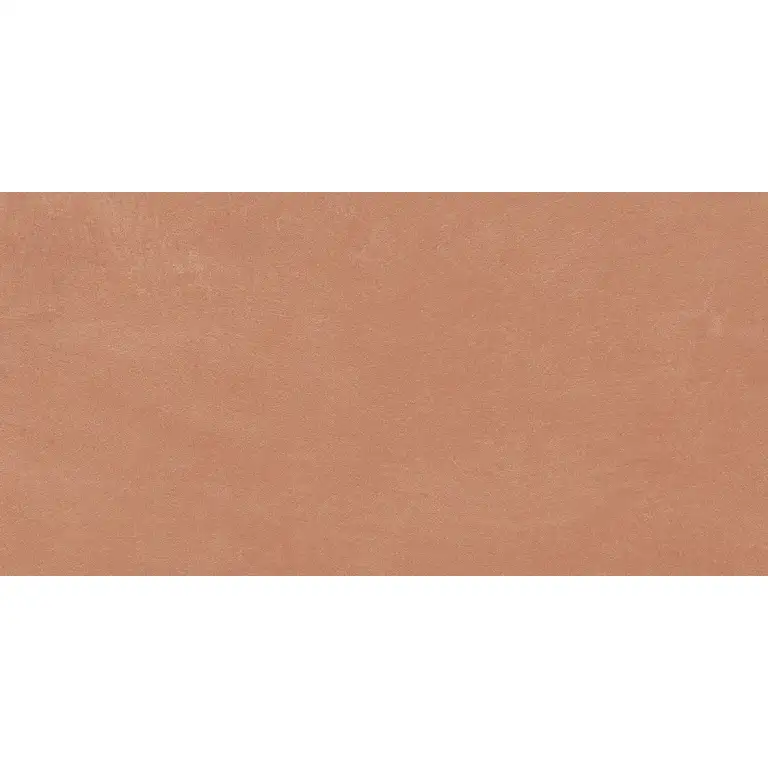
Terracotta
Warm, earthy clay tones in through-body porcelain — the terracotta look without the sealing and upkeep of real clay.
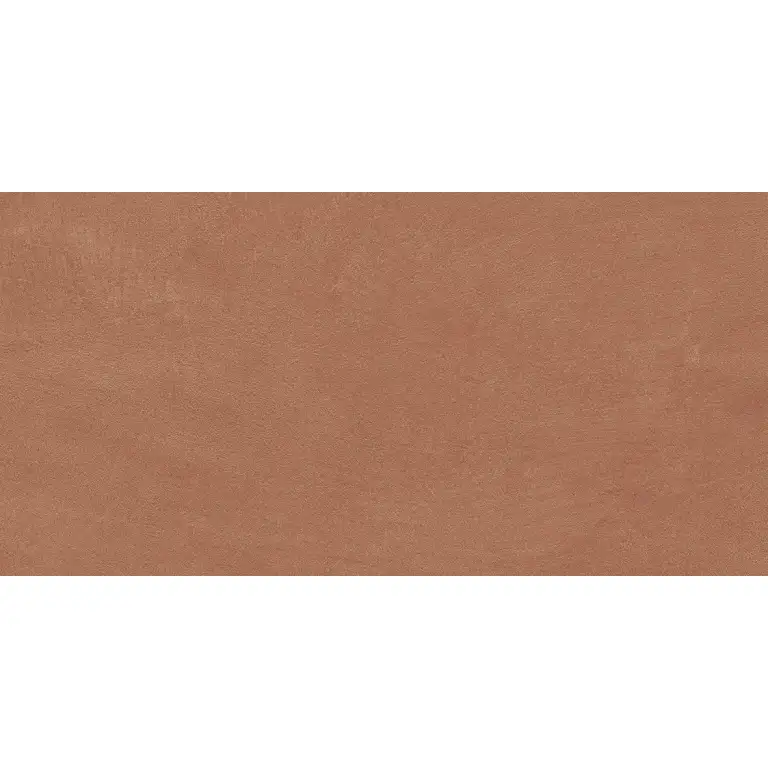
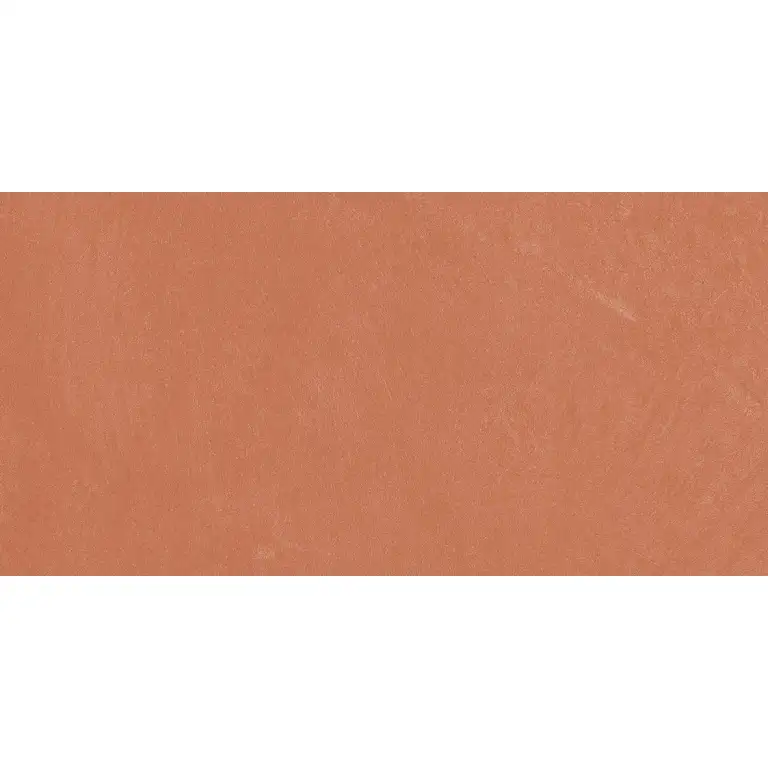

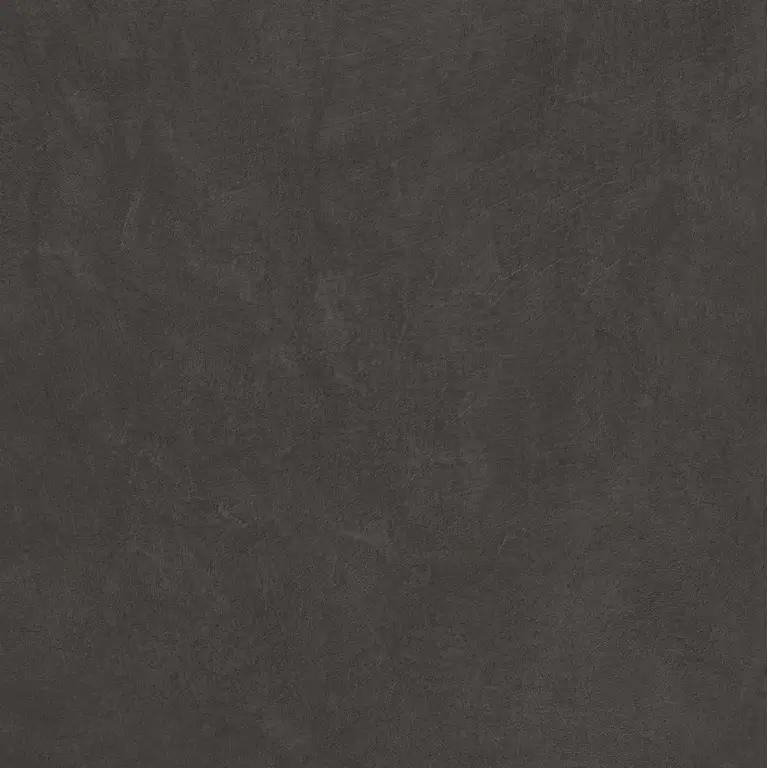
Checkerboard
Checkerboard is a layout, not a product: two colors of the same tile alternated across the floor. Here is the pairing we install most — it needs a dead-square starting line, which is most of the work.

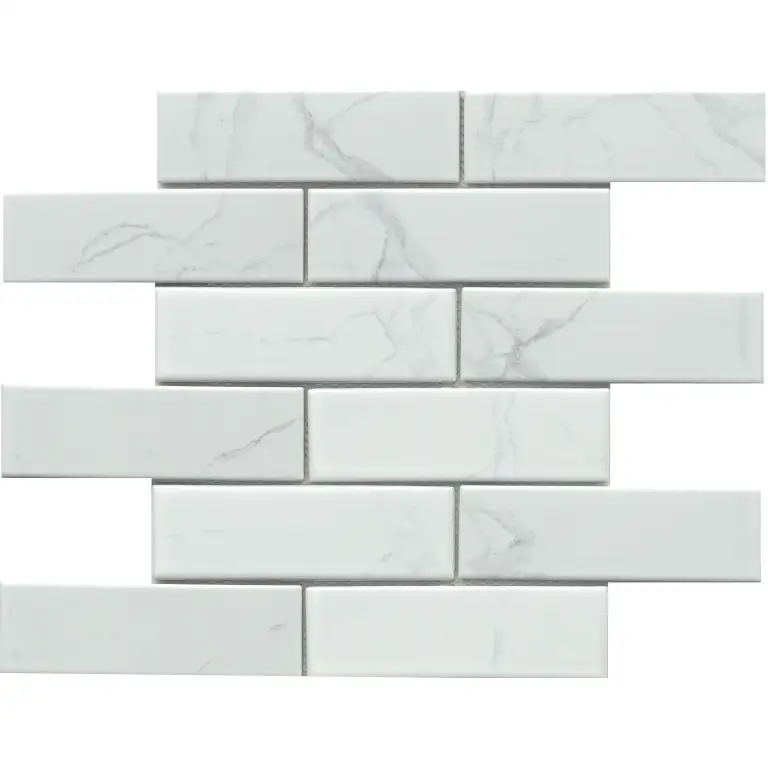
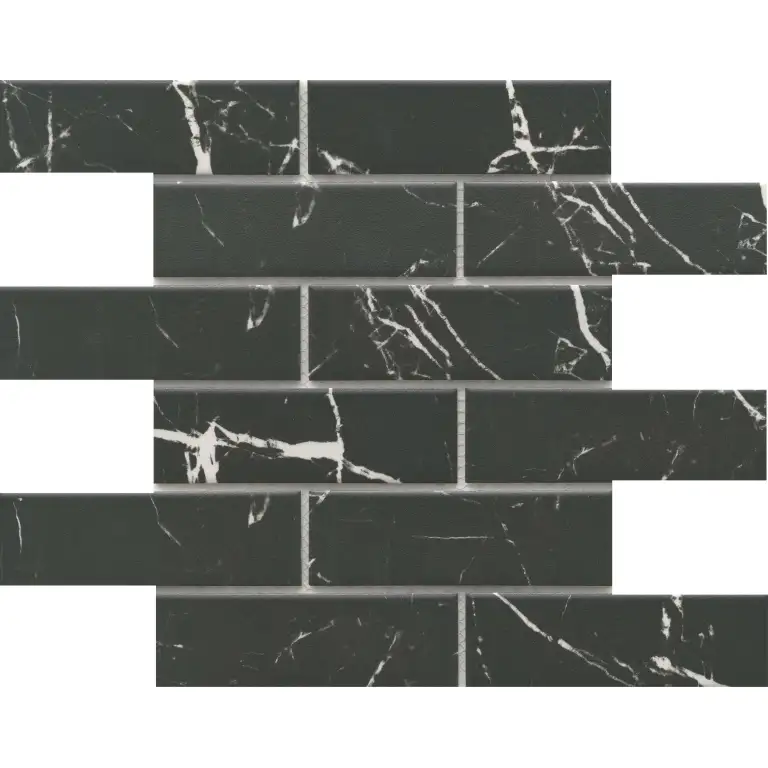
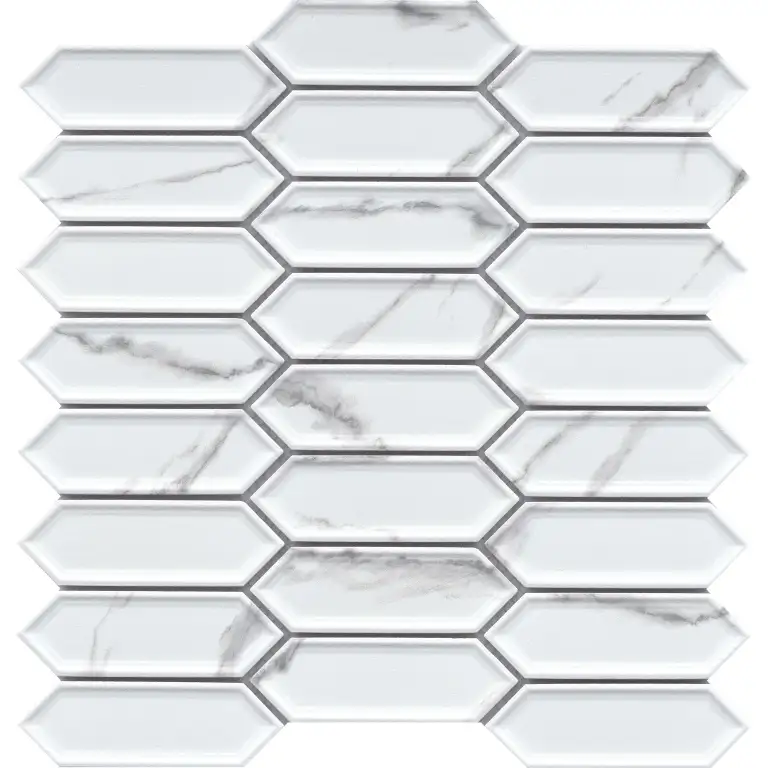
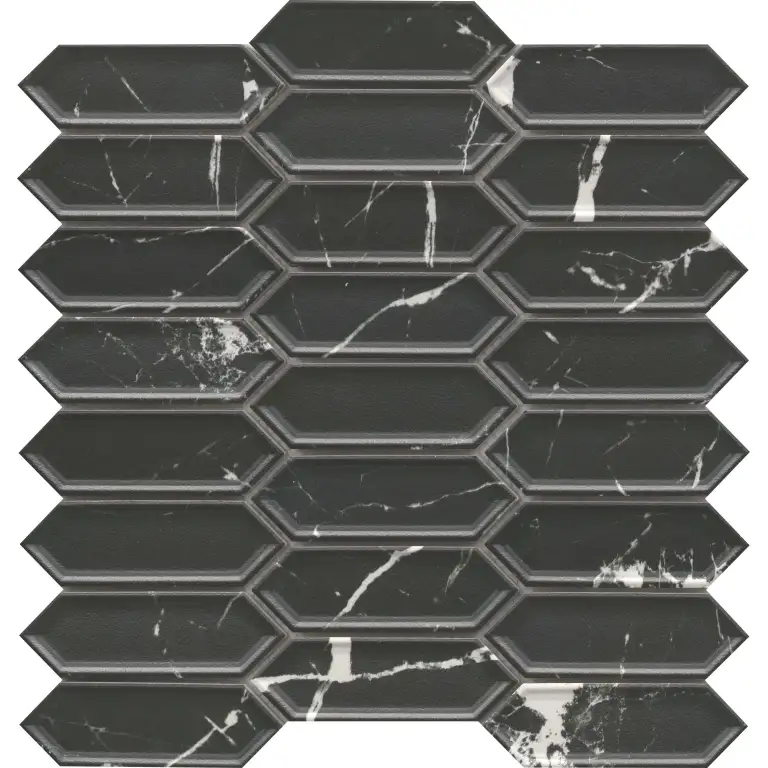
Accent Walls & 2×6
Picket and elongated formats for the one wall you want people to notice — fireplaces, vanities, and headboard walls.
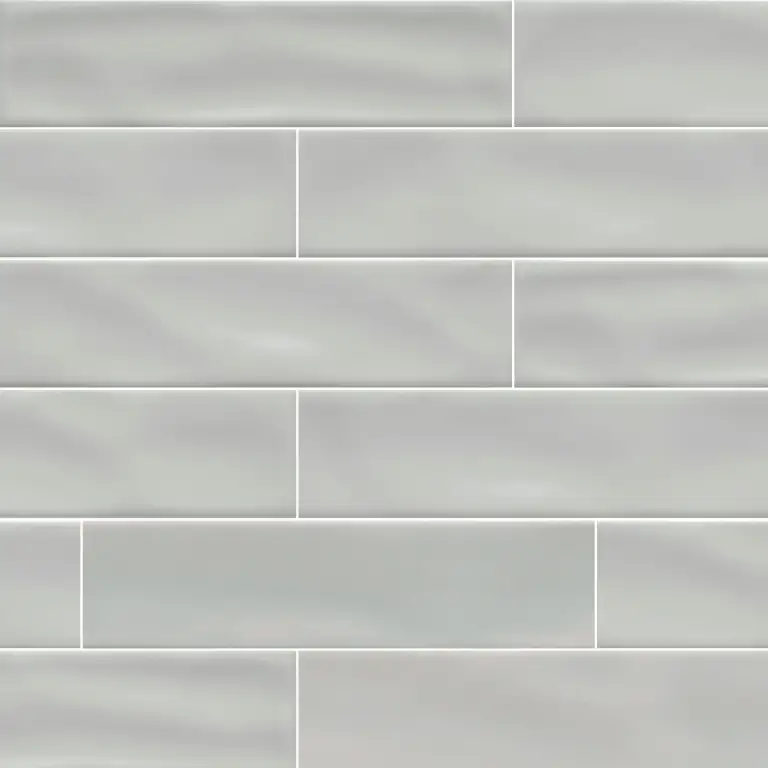
Kitchen Backsplash
Classic glossy subway in warm neutrals — the backsplash that never dates.


Shower Wall & Floor
Large-format 12×24 porcelain for shower walls and pans, set over a proper waterproofing system.
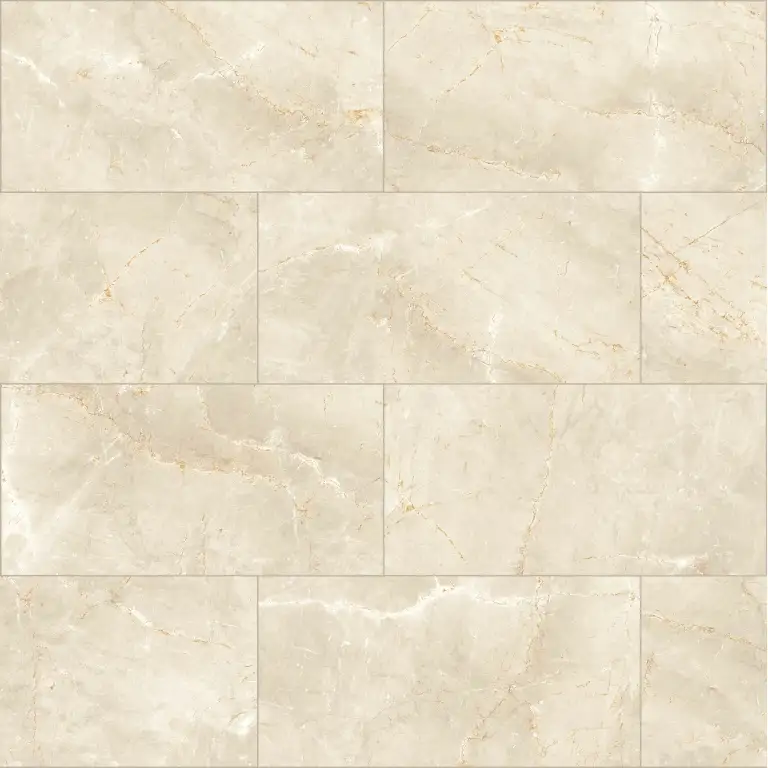 See it in your roomAsk about this
Savino
Clair
12×24 · Matte
Emser Tile
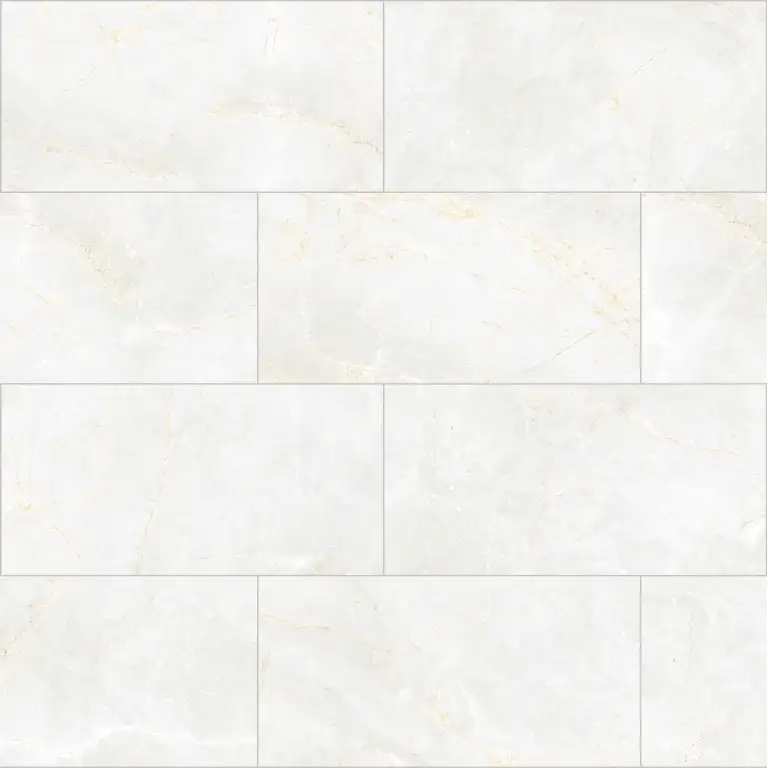 See it in your roomAsk about this
Savino
Blanc
12×24 · Matte
Emser Tile
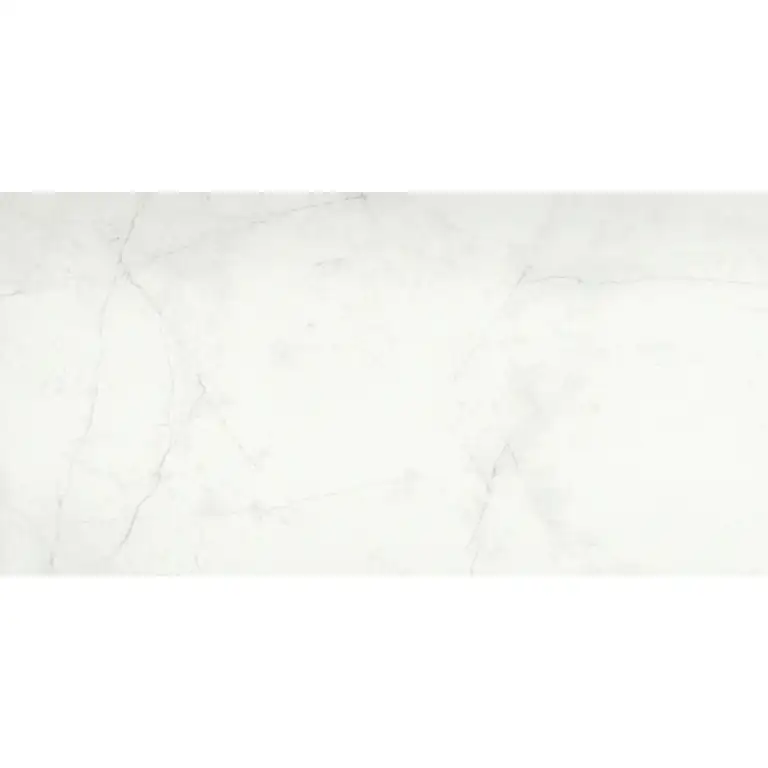 See it in your roomAsk about this
Sterlina II
White
12×24 · Matte
Emser Tile
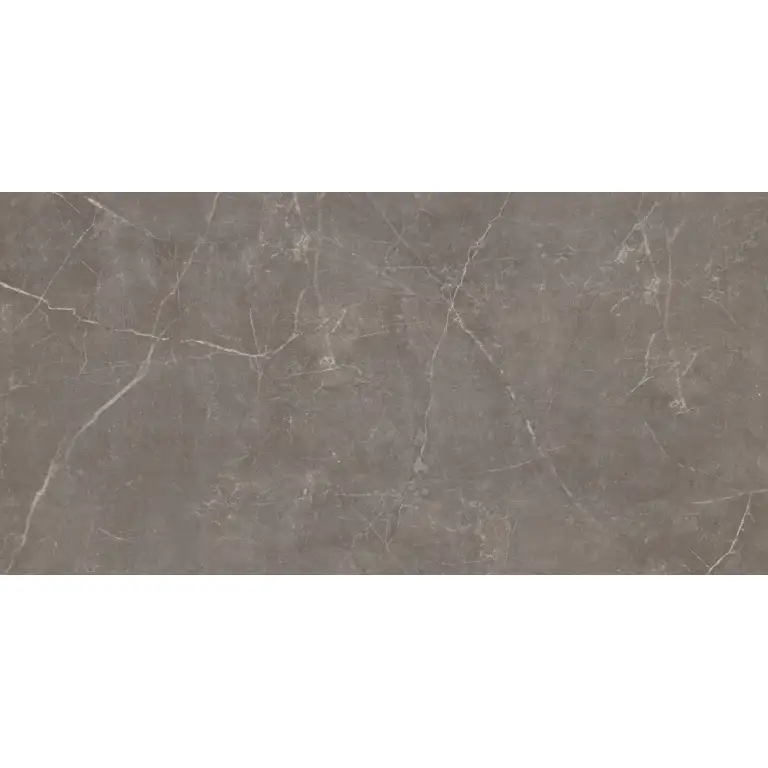 See it in your roomAsk about this
Sterlina II
Henna
12×24 · Matte
Emser Tile
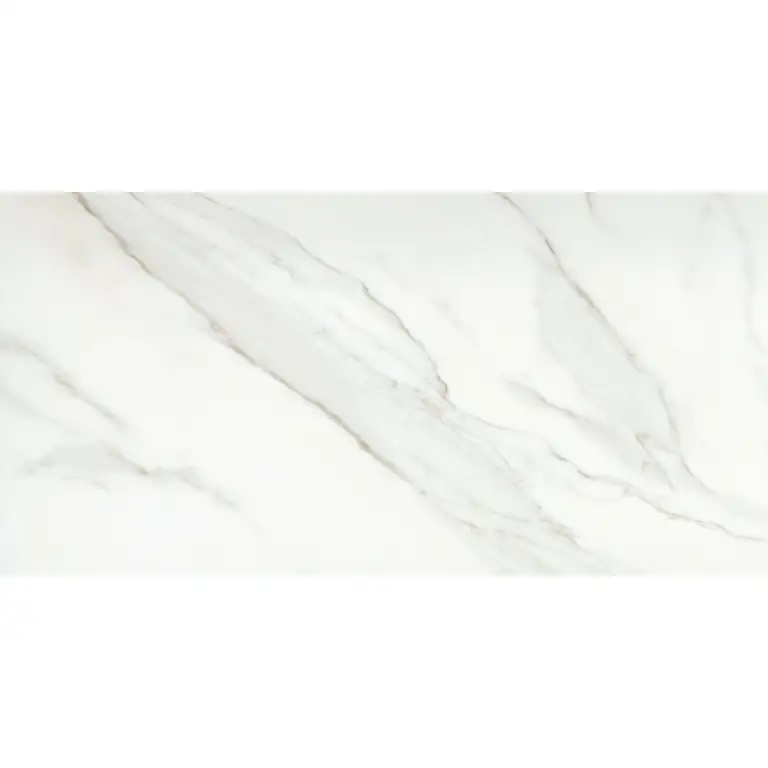 See it in your roomAsk about this
Nobleza
Lugo
12×24 · Matte
Emser Tile
 See it in your roomAsk about this
Cosmopolitan
Charcoal
12×24 · Matte
Emser Tile
Shower Floor Pebbles
Flat-cut pebble mosaics that drain correctly and stay comfortable underfoot.
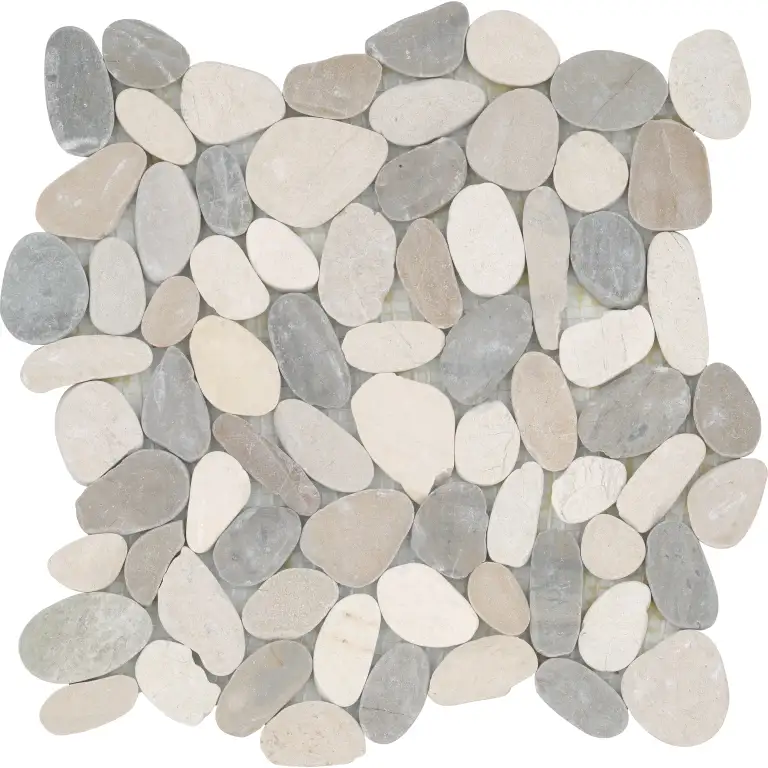 See it in your roomAsk about this
Venetian Pebbles
Medici
2×2/12×12 flat · Satin
Emser Tile
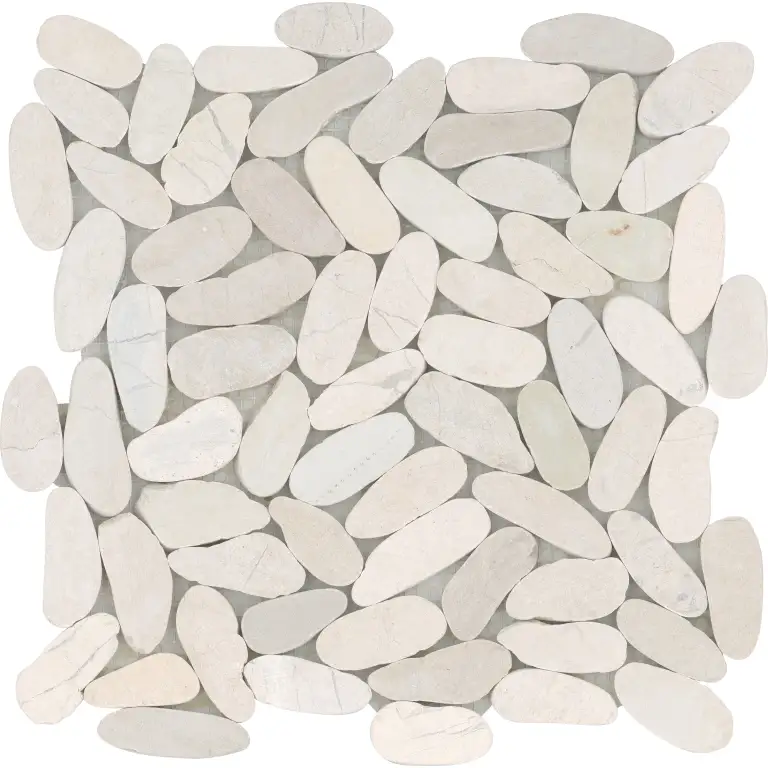 See it in your roomAsk about this
Venetian Pebbles
Ivory
2×2/12×12 flat · Satin
Emser Tile
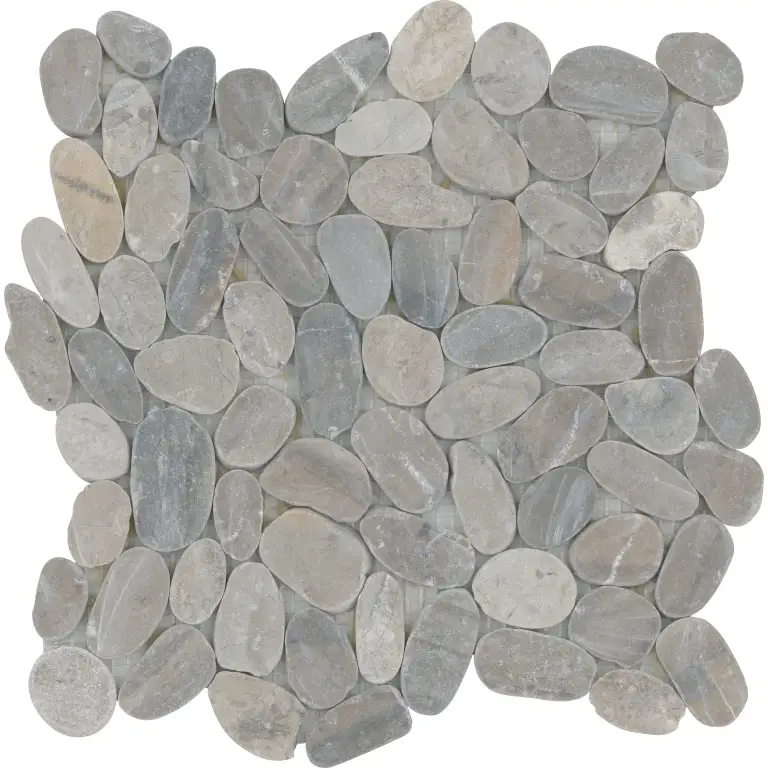 See it in your roomAsk about this
Venetian Pebbles
Silver
2×2/12×12 flat · Satin
Emser Tile
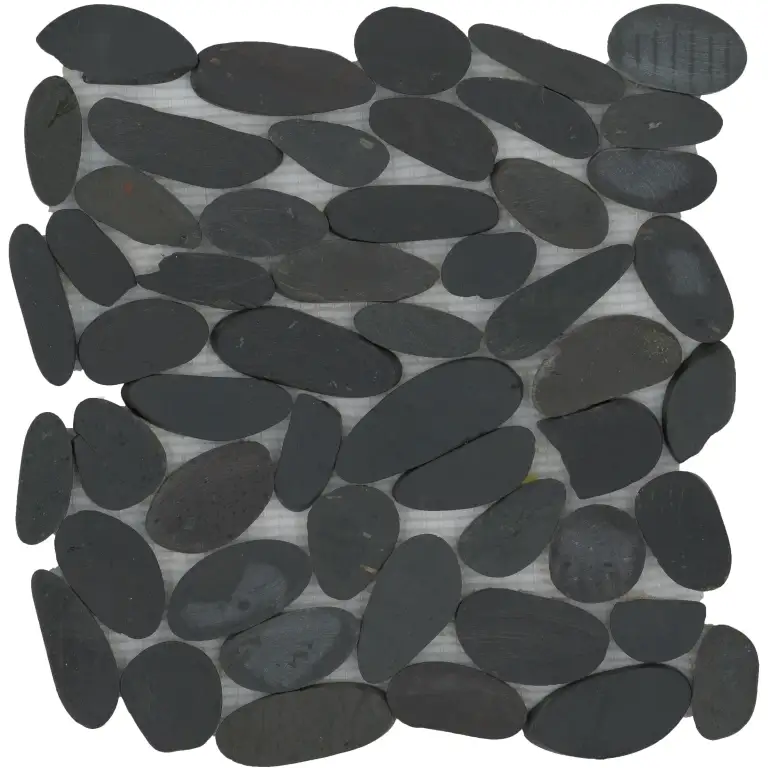 See it in your roomAsk about this
Rivera Pebbles
Black
12×12 flat · Honed
Emser Tile
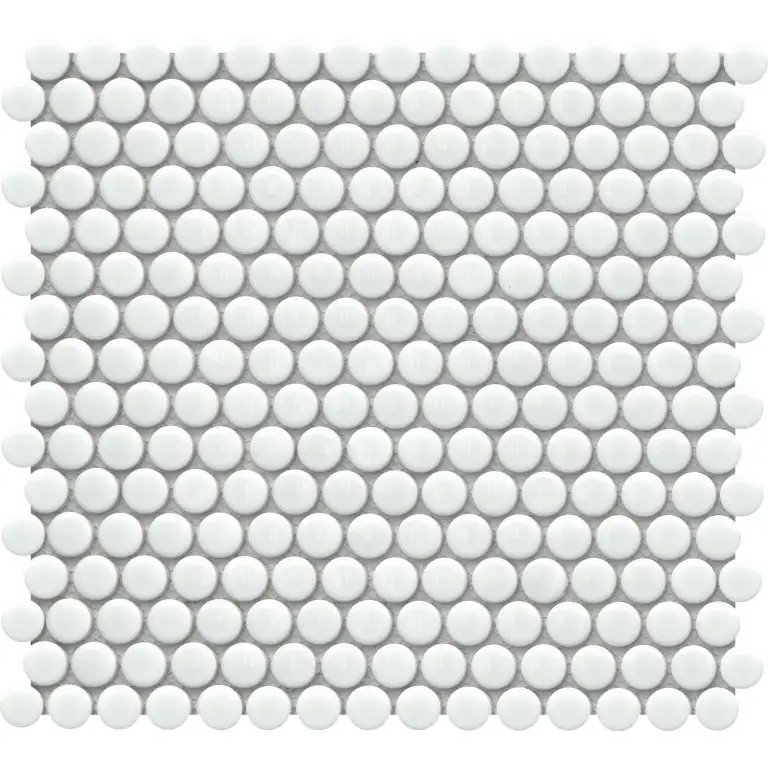
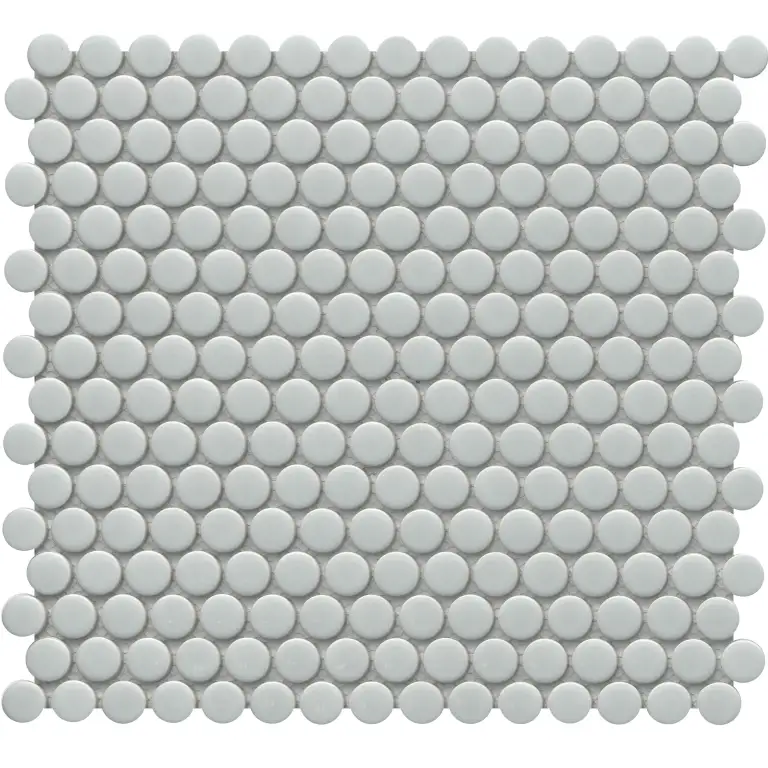
Penny & Mosaic
Small-format mosaics for shower floors, niches, and detail work.
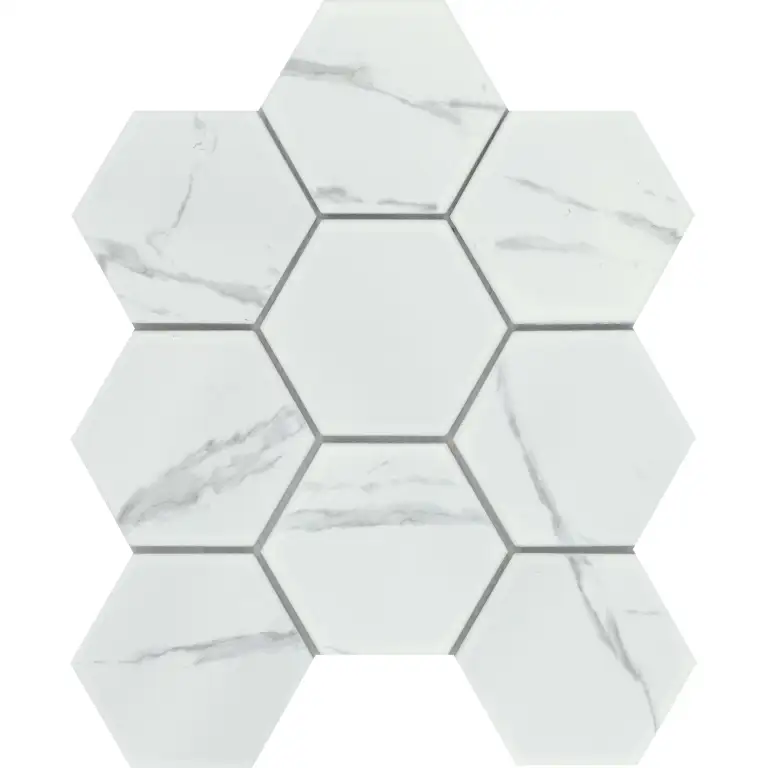
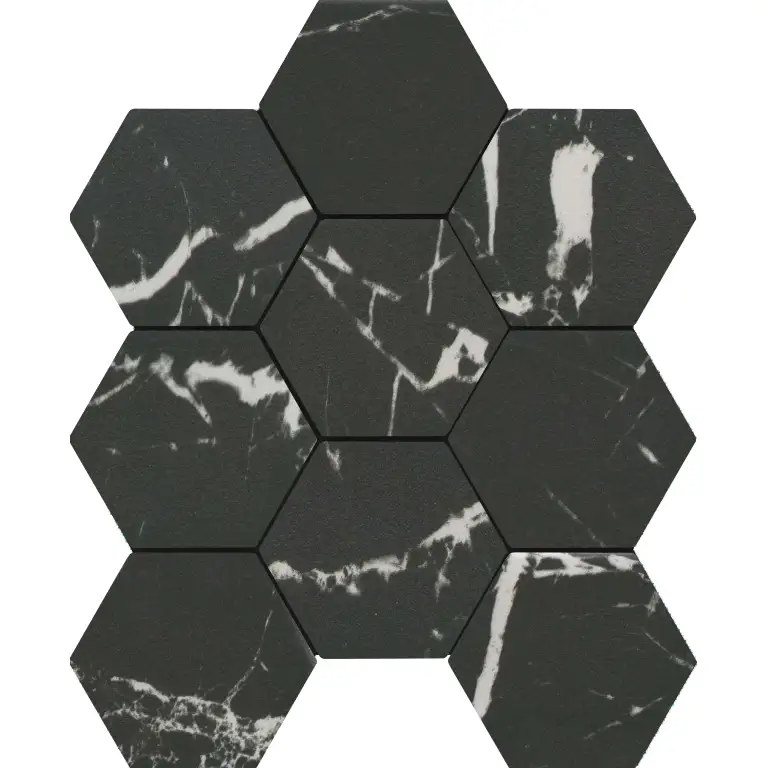
Hexagon
Hex mosaics in marble looks — a timeless floor for powder baths and shower pans.
Patio & Outdoor Tile
20mm exterior-rated porcelain pavers. Slip-resistant, freeze-thaw stable, and they never need sealing like natural stone.
 See it in your roomAsk about this
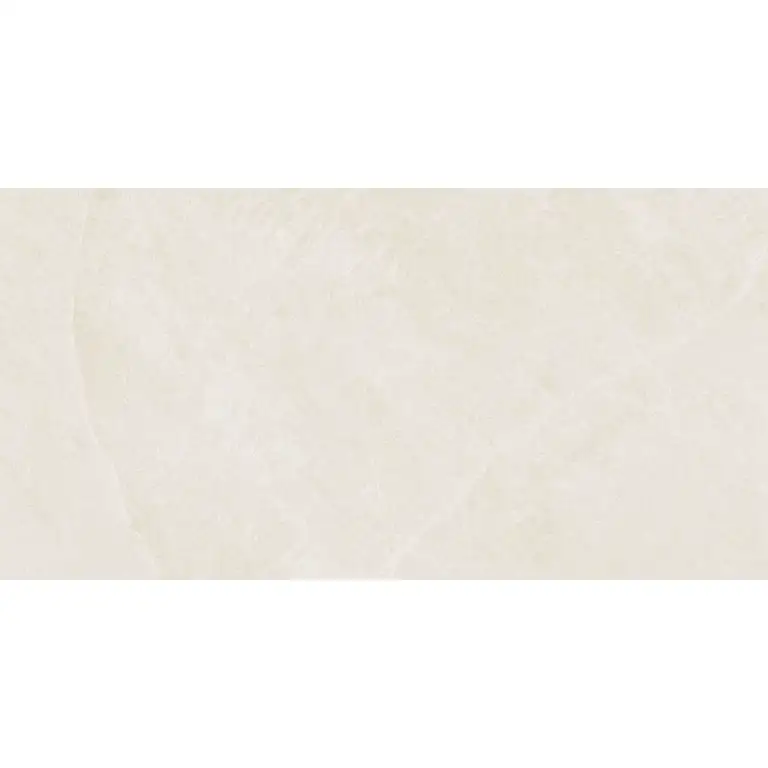
XTRA Soneva
Sand
24×47 · 2CM paver · Matte
Emser Tile
 See it in your roomAsk about this
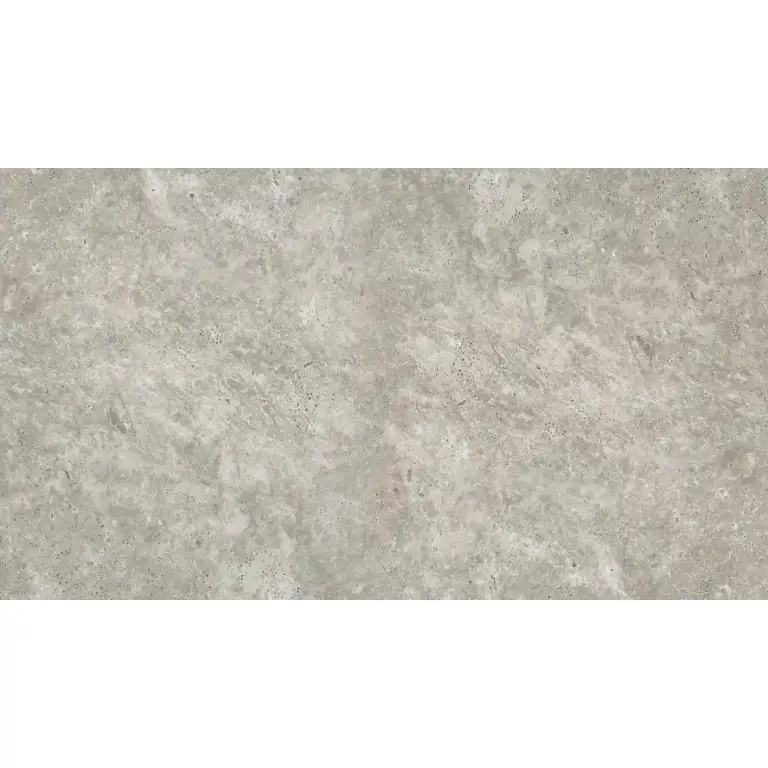
XTRA Trav
Silver
24×35 · 2CM paver · Matte
Emser Tile
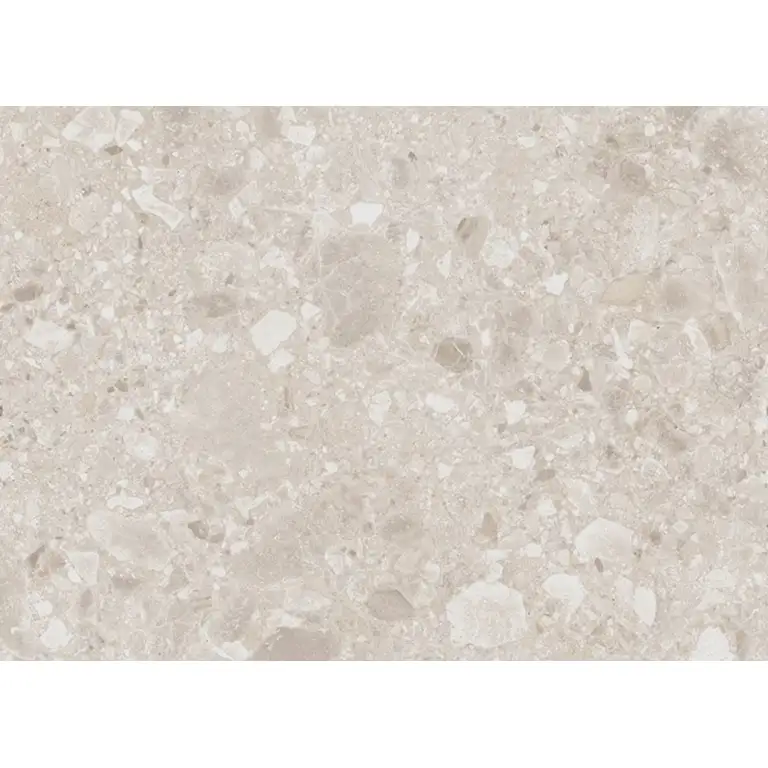 See it in your roomAsk about this
XTRA Fossite
Cream
24×24 · 2CM paver · Matte
Emser Tile
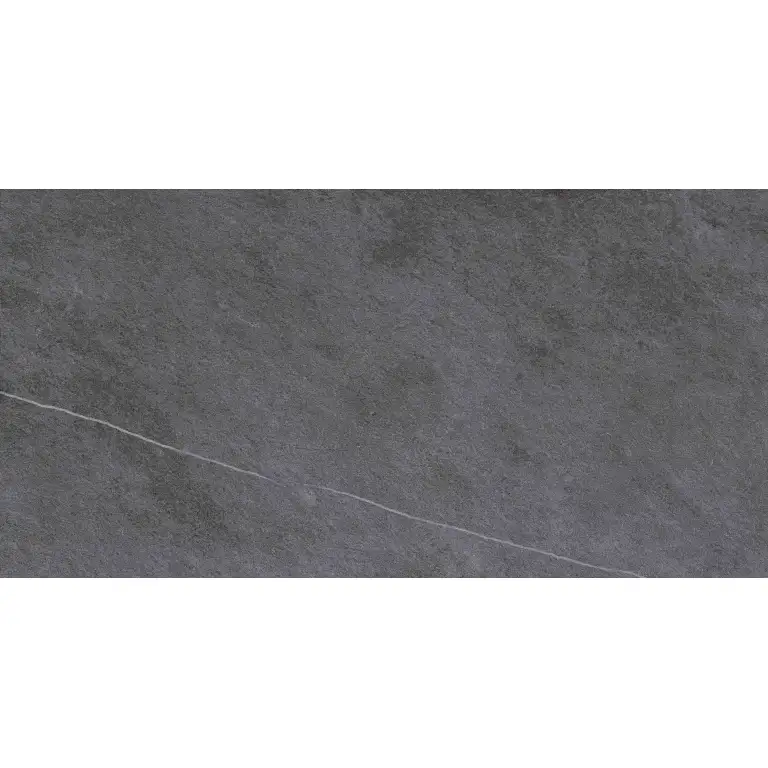 See it in your roomAsk about this
XTRA Soneva
Lava
24×47 · 2CM paver · Matte
Emser Tile
Finished Custom Shower Work
A closer look at completed showers and baths, shown only after the installation is finished and ready to enjoy.
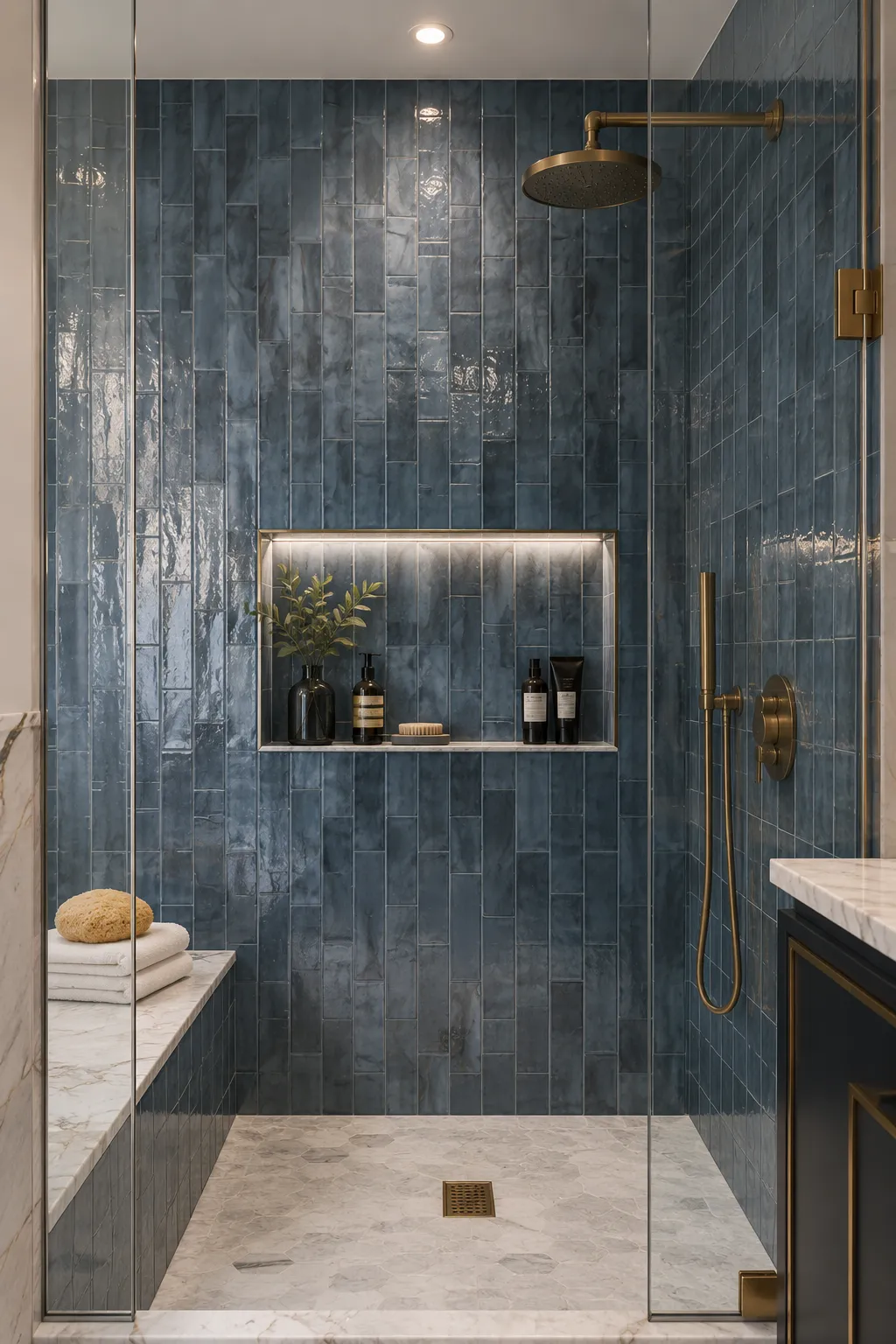 Blue tile
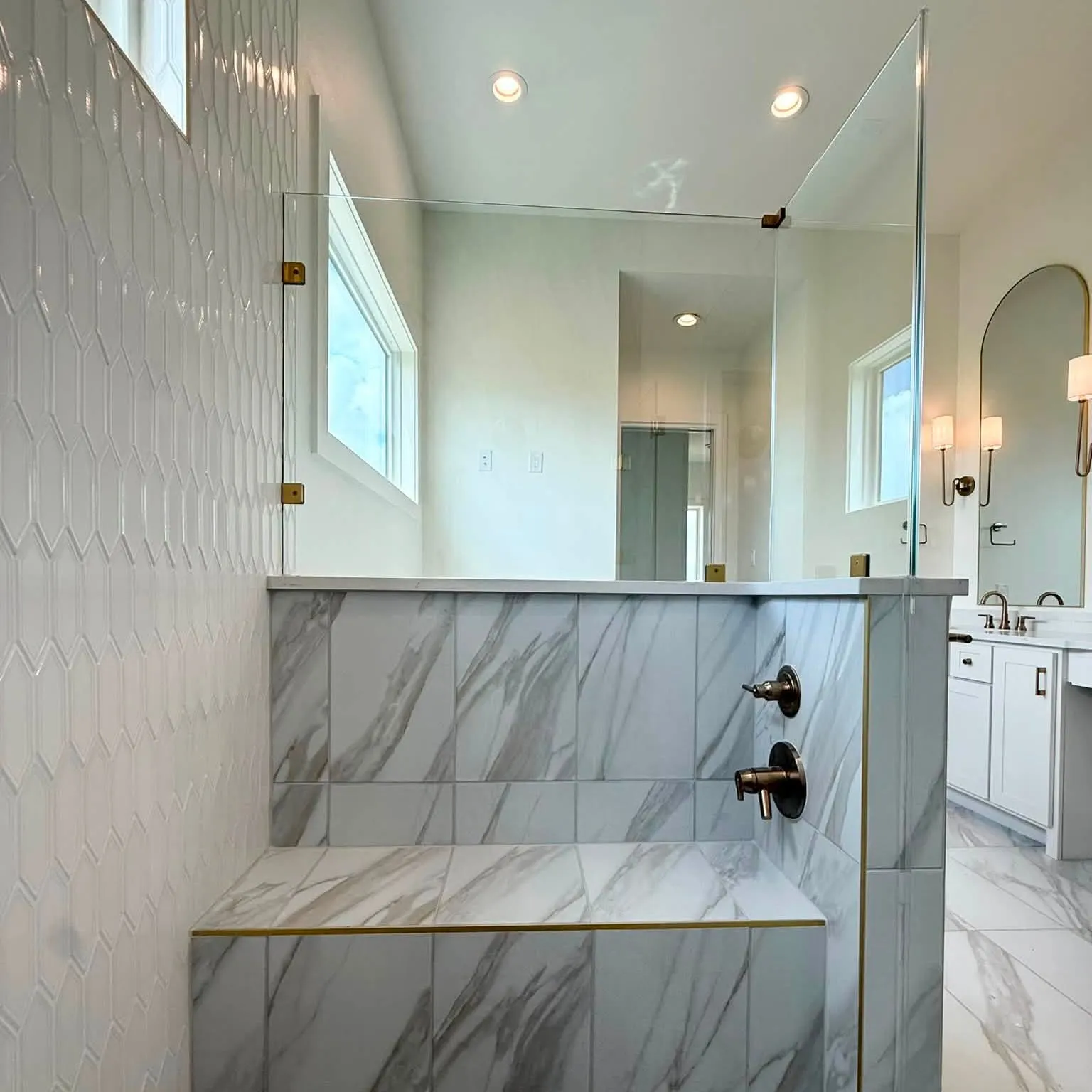 Marble shower
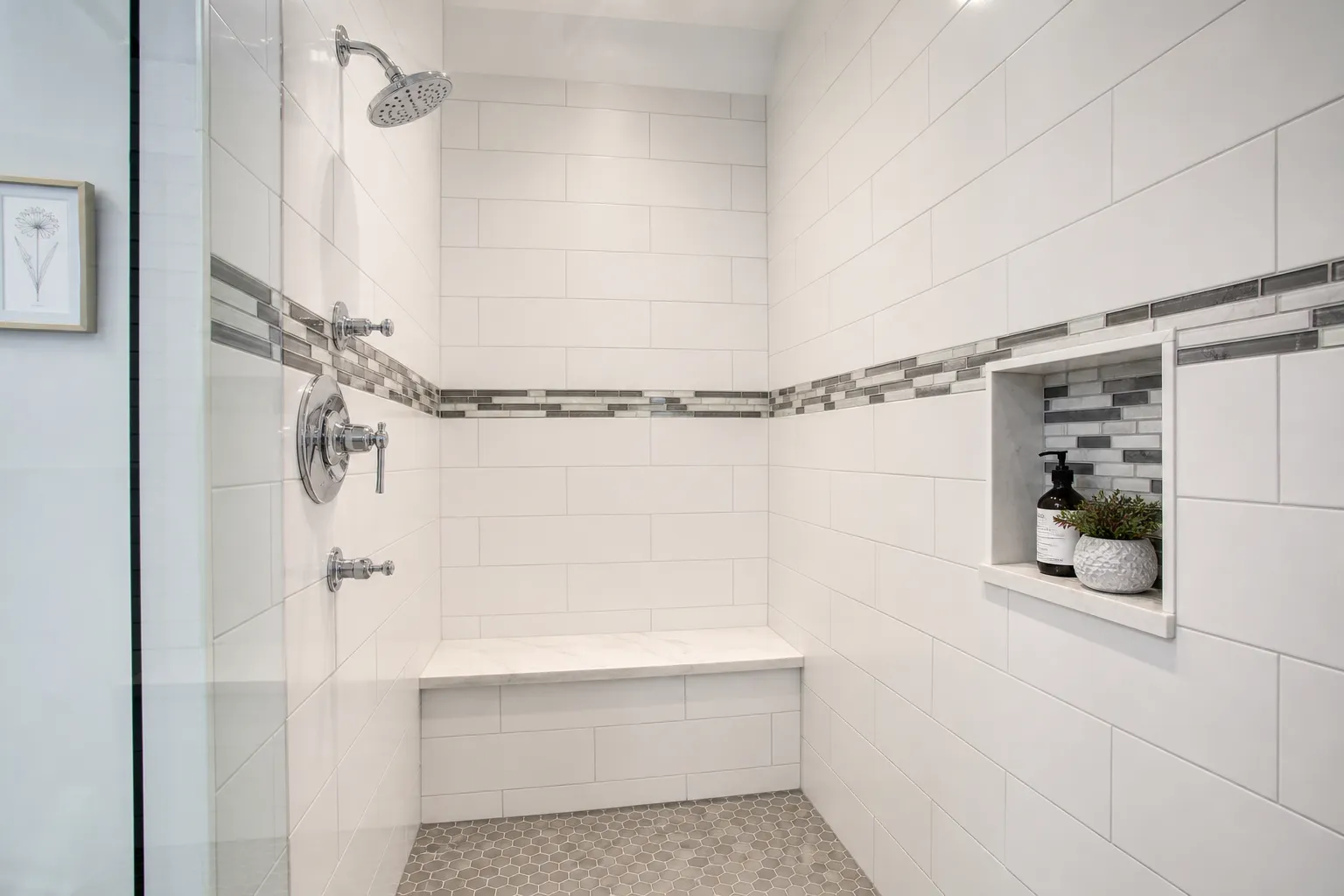 Built-in bench
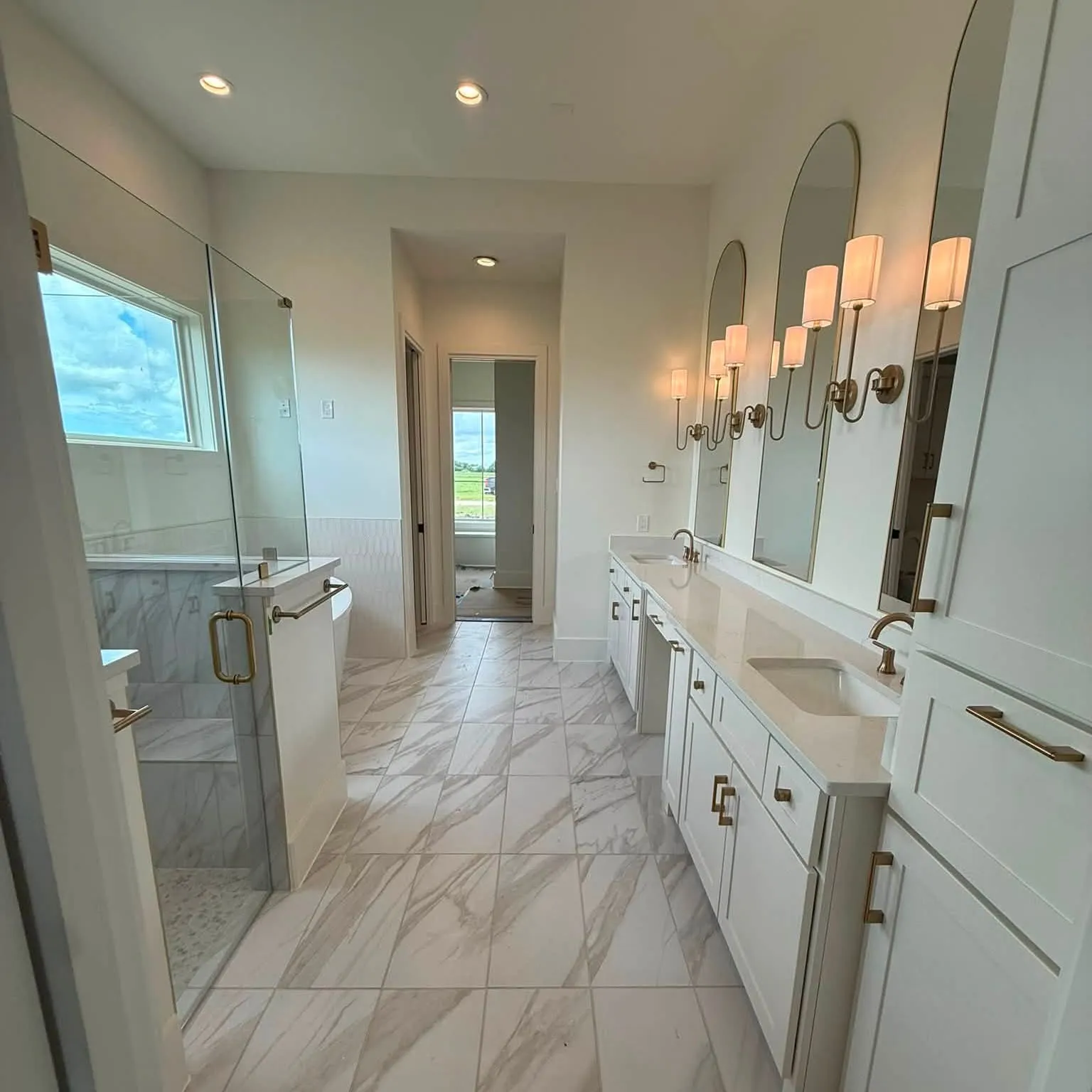 Primary bath
Schluter Edge Options
Almost no tile comes with a finished edge anymore, so every place your tile stops — a niche opening, a curb, an outside corner, a doorway — needs a trim profile. Schluter makes the ones we trust, and the choice is mostly about the look you want. Each comes in anodized aluminum finishes like brushed nickel, brushed chrome, brushed brass, and brushed black, plus stainless steel, solid brass, and a full range of solid colors — so the trim can disappear into the tile or read as a deliberate metal line. Bring us your fixture finish and we'll match the trim to it.
- RONDEC — Soft rounded edge — the most forgiving and the most common.
- QUADEC — Crisp square edge for a sharper, more modern line.
- JOLLY — Flat, low-key finish that works well on outside corners.
- SCHIENE — The thinnest reveal of the group, used at floor transitions.
- DILEX — Not an edge trim — a movement joint for inside corners and floor-to-wall transitions. It replaces the bead of caulk that cracks and discolors after a couple of years.
Niche Options
A niche is the recessed shelf built into the shower wall so your bottles aren't sitting on the floor. Most are about 12 inches wide — that's what fits cleanly between studs — and anywhere from 12 to 30 inches tall, set roughly 40 to 48 inches off the floor so it's at easy reach. We build them tiled to match the walls with waterproofing wrapped through every corner, and we lay them out against your tile pattern first so the opening lands on grout lines instead of a row of half-cut tile. We keep niches out of exterior walls and out of the direct spray, and we pitch the bottom slightly so water runs out instead of sitting.
- Single niche — One opening, sized to fall between the studs. The default.
- Shelved niche — A taller opening split by a shelf — twice the storage, same footprint.
- Double niche — Two side by side, which suits a wider or two-person shower.
- Tiled to match — Lined in your wall tile so it reads as part of the wall, not an add-on.
Curb Options
The curb is the small wall at the shower entry that keeps water in. Which one you choose is mostly about how you want to get in and out — and, increasingly, about planning ahead. Curbless looks incredible and is the right call if you're aiming to age in place or need wheelchair access, but it takes more work underneath: we drop the subfloor, usually run a linear drain, and carry the waterproofing well past the shower opening. Done right it's bulletproof. Done cheap it leaks, so it isn't a corner we cut.
- Standard curb — About 4 to 6 inches. The simplest, most reliable water barrier — what most bathrooms get.
- Low-profile curb — Around 2 to 3 inches for an easier step-over, still a hard barrier.
- Curbless / zero-entry — No step at all. The floor slopes to the drain and runs flat into the bathroom.
Bench Options
A bench turns a shower into somewhere you can actually sit — to shave, to soak, or to help someone else wash. Standard seat height is 17 to 19 inches at about 15 to 16 inches deep, the same as a chair, and we pitch the top slightly so water sheds toward the drain instead of pooling. Either way the bench is framed and waterproofed as part of the shower itself, not added on afterward.
- Full-width bench — Wall to wall — the most seat and the most storage underneath.
- Corner bench — Takes up the least room, so it works in a standard-size shower.
- Floating bench — Cantilevered off the wall with nothing beneath it. Keeps the floor open and easy to clean.
- Teak fold-down — Anchored to solid blocking. Gives you a seat without giving up floor space.
Hardwood, laminate, and waterproof luxury vinyl plank in wide, modern widths.
Hardwood
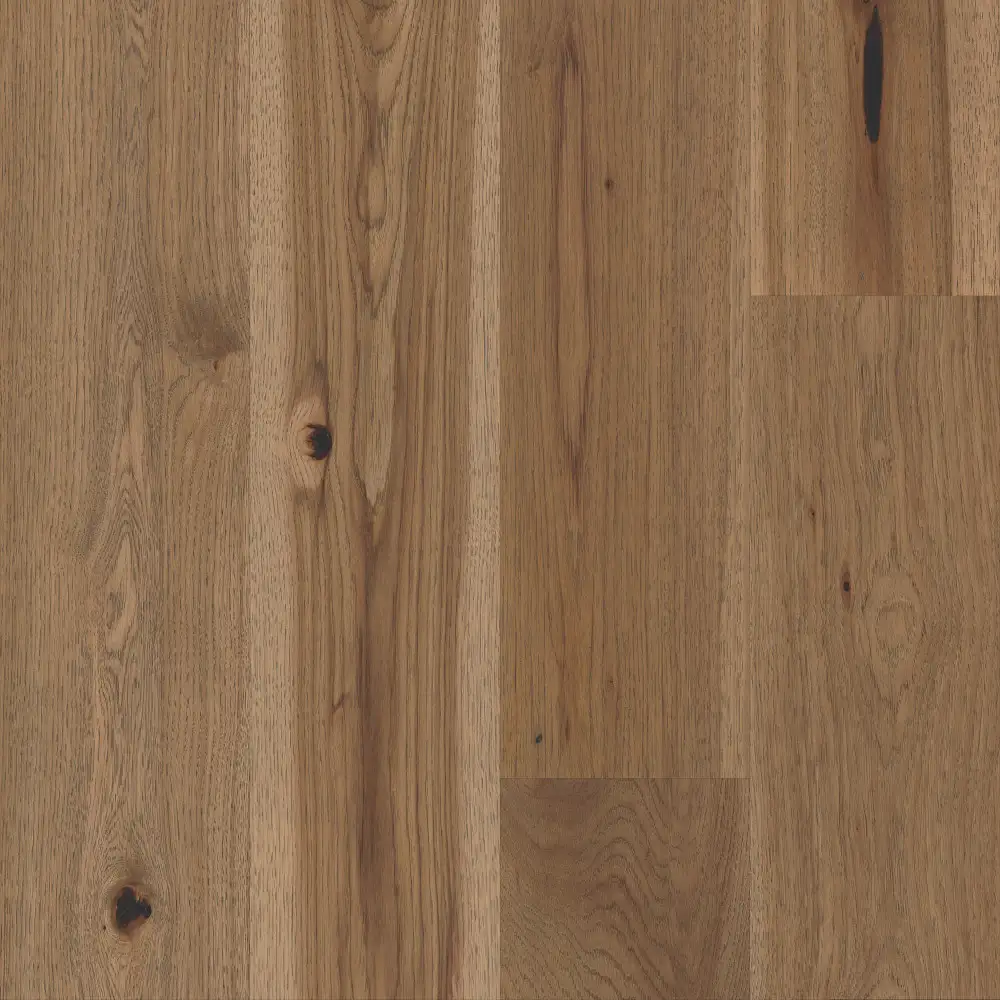
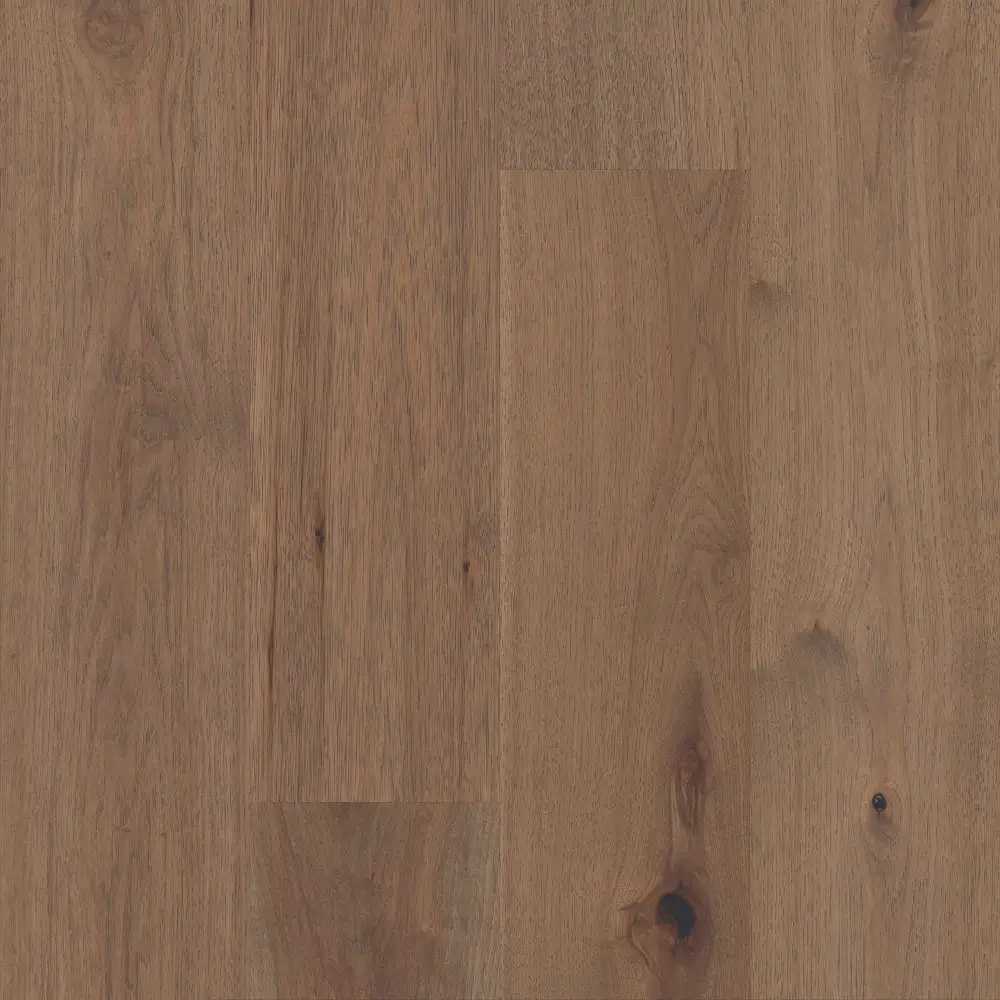
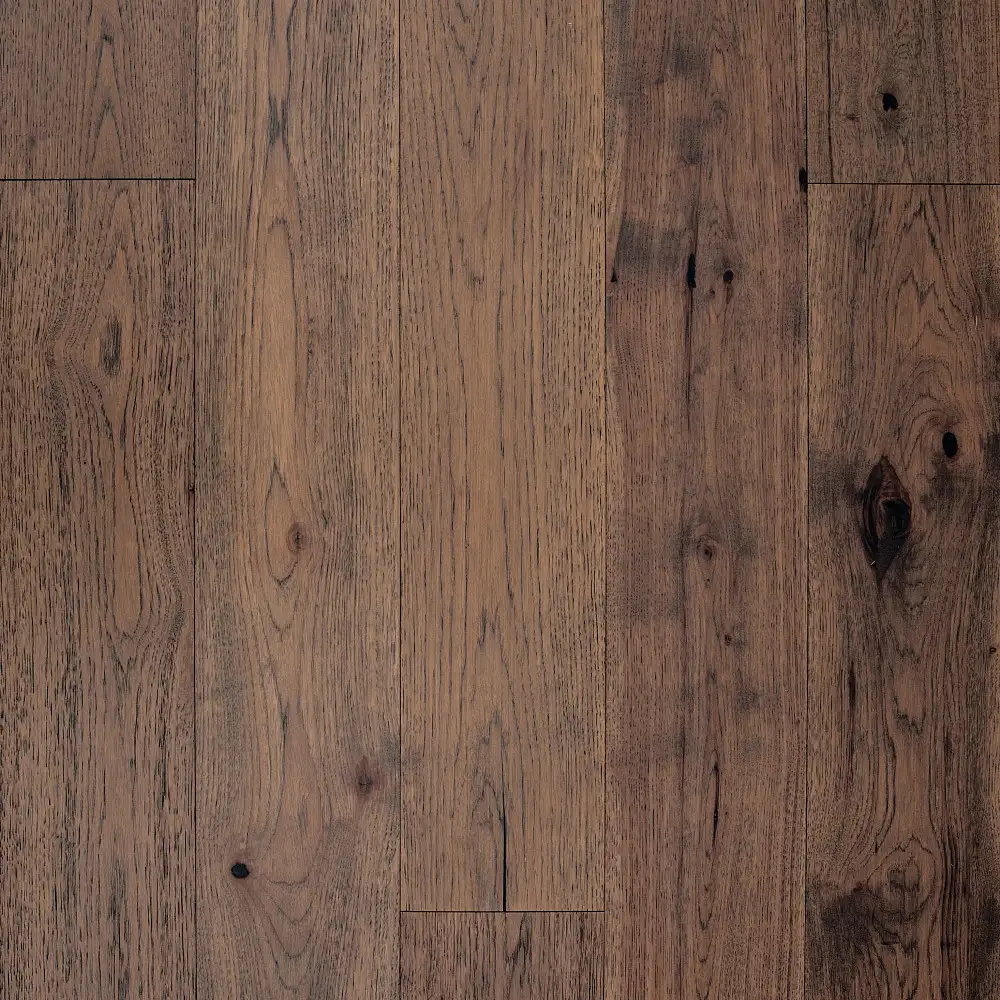
Real pecan in wide 7.5-inch planks. Engineered construction keeps it stable through Houston's humidity swings.
 See it in your roomAsk about this
Imperial Pecan
Antique
7.5" × 1/2" pecan · Smooth
Anderson Tuftex
 See it in your roomAsk about this
Imperial Pecan
Fawn
7.5" × 1/2" pecan · Smooth
Anderson Tuftex
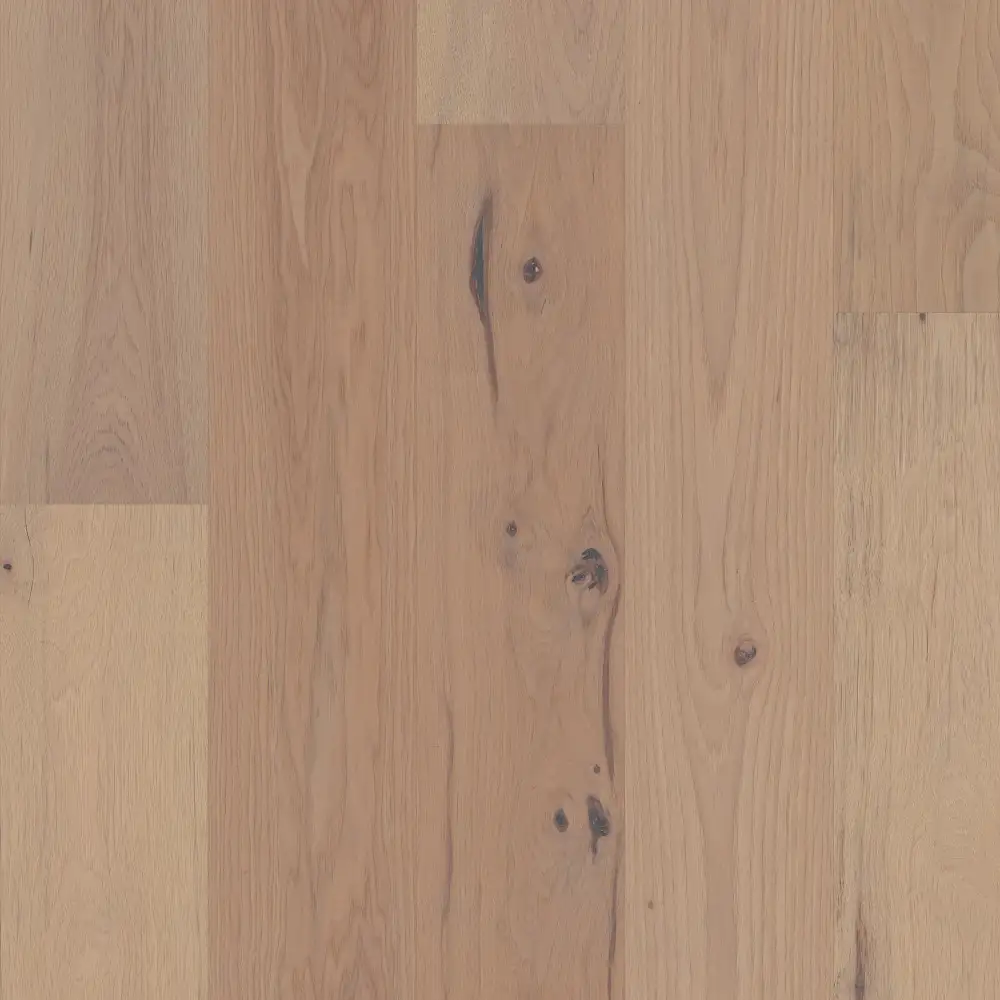 See it in your roomAsk about this
Imperial Pecan
Barley
7.5" × 1/2" pecan · Smooth
Anderson Tuftex
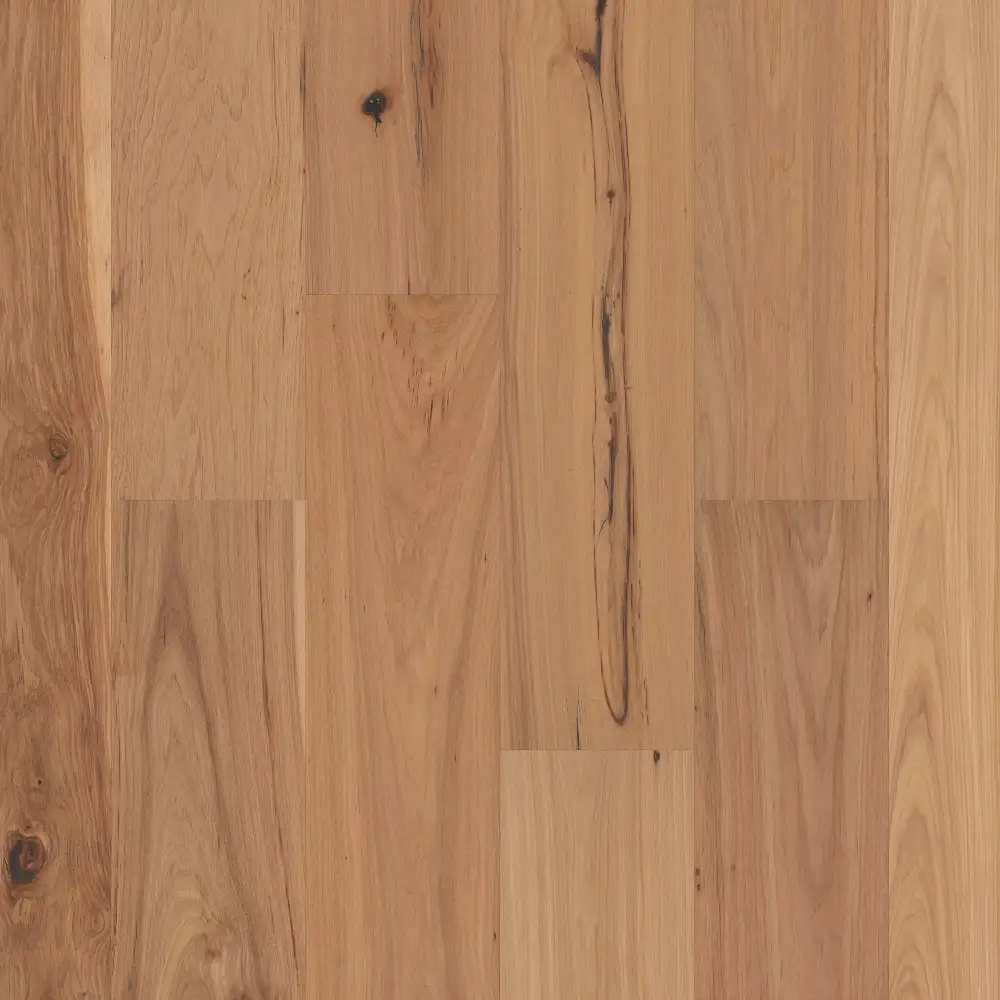 See it in your roomAsk about this
Imperial Pecan
Harvest
7.5" × 1/2" pecan · Smooth
Anderson Tuftex
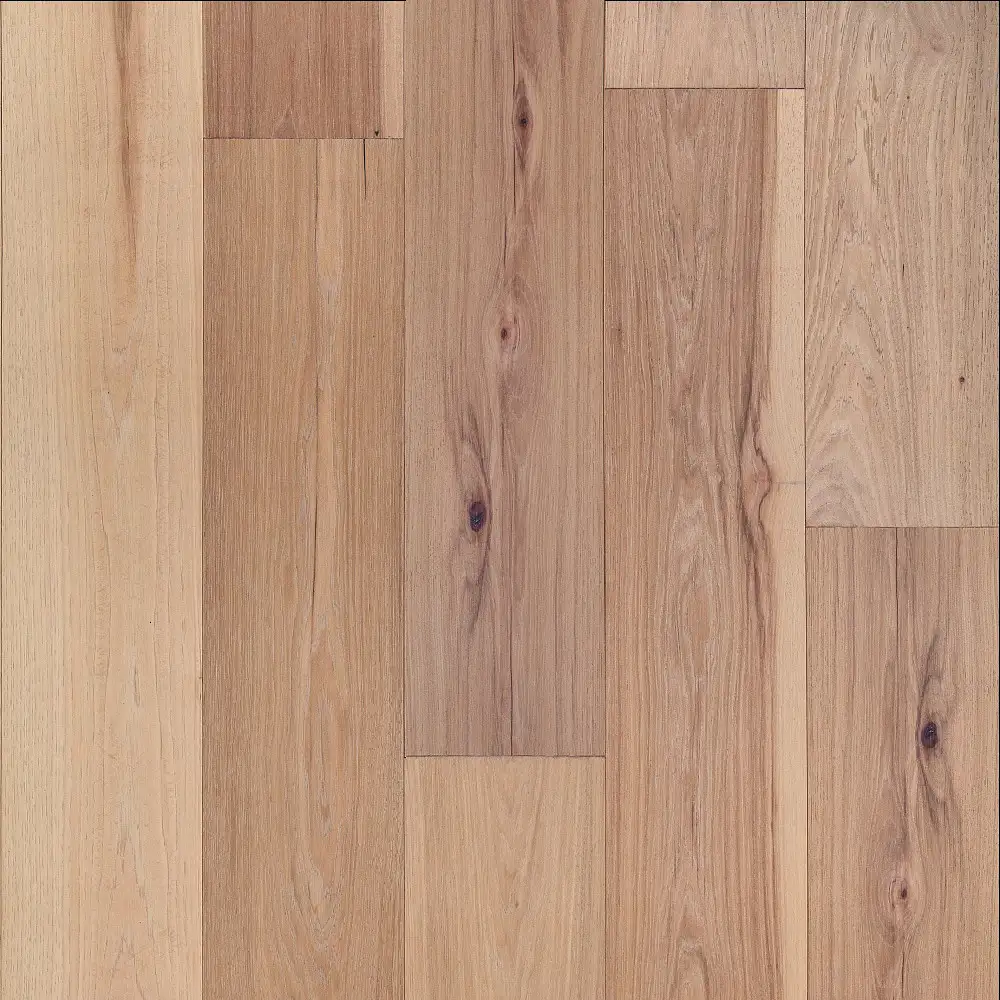 See it in your roomAsk about this
Imperial Pecan
Linen
7.5" × 1/2" pecan · Smooth
Anderson Tuftex
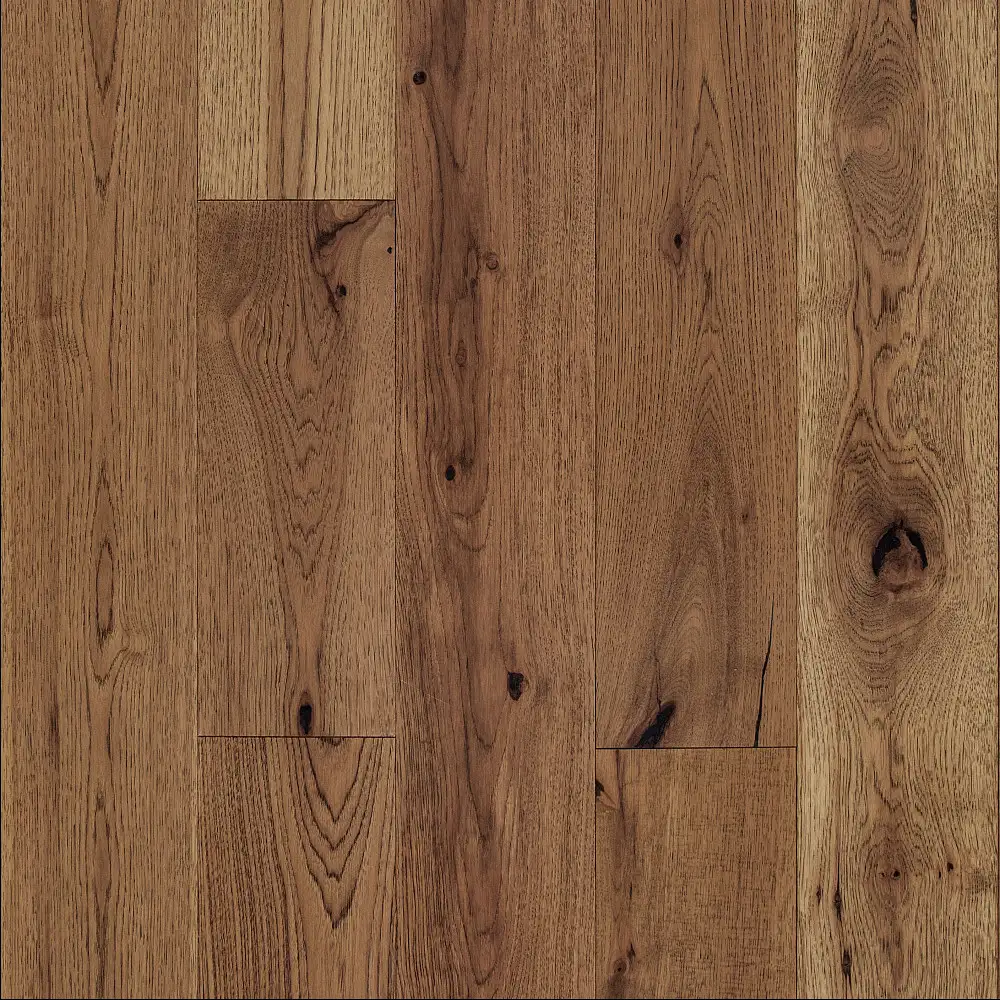 See it in your roomAsk about this
Imperial Pecan
Wheat
7.5" × 1/2" pecan · Smooth
Anderson Tuftex
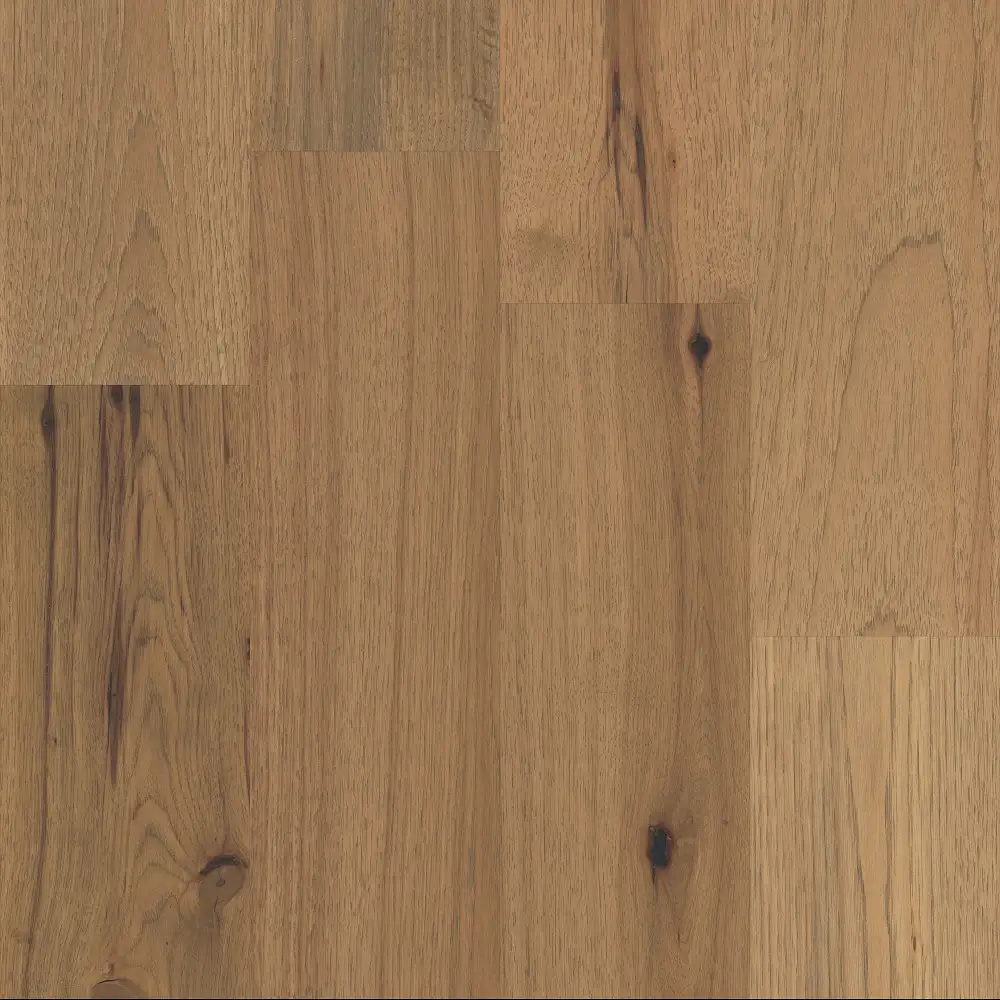 See it in your roomAsk about this
Imperial Pecan
Flaxen
7.5" × 1/2" pecan · Smooth
Anderson Tuftex
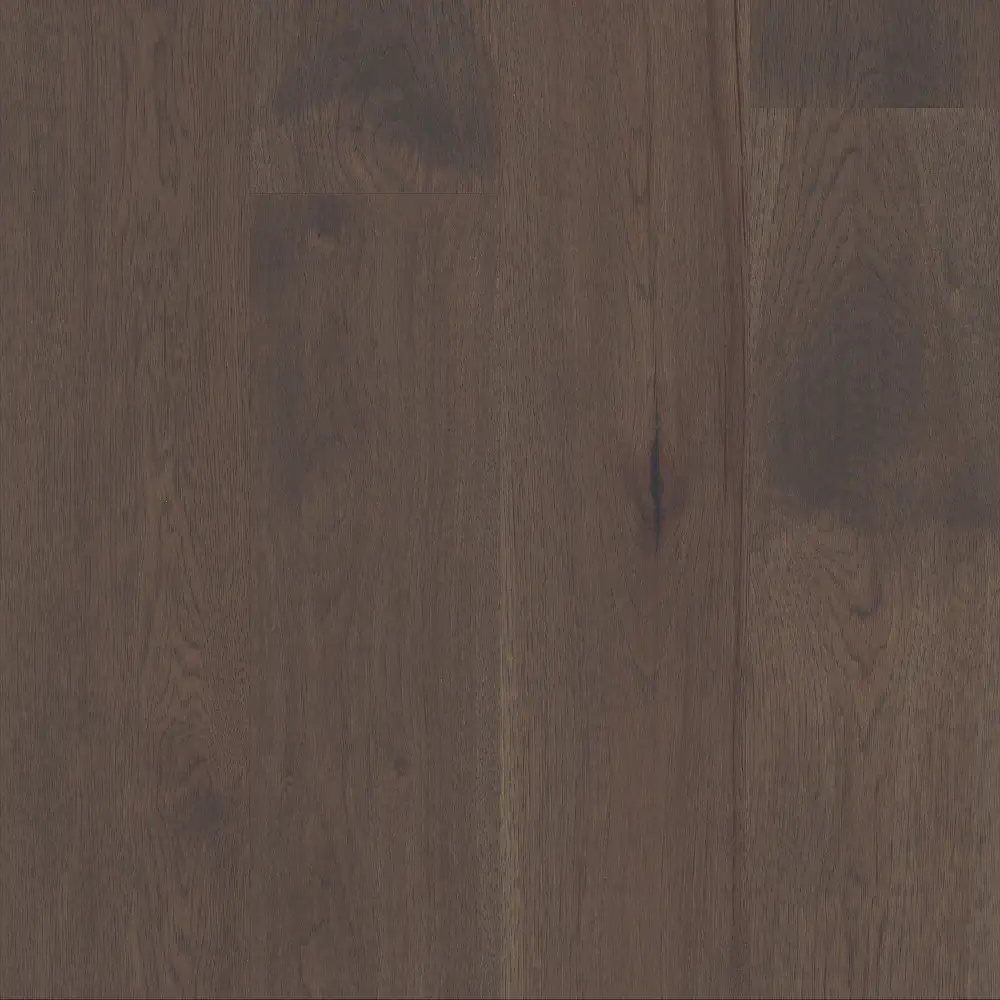 See it in your roomAsk about this
Imperial Pecan
Origin
7.5" × 1/2" pecan · Smooth
Anderson Tuftex
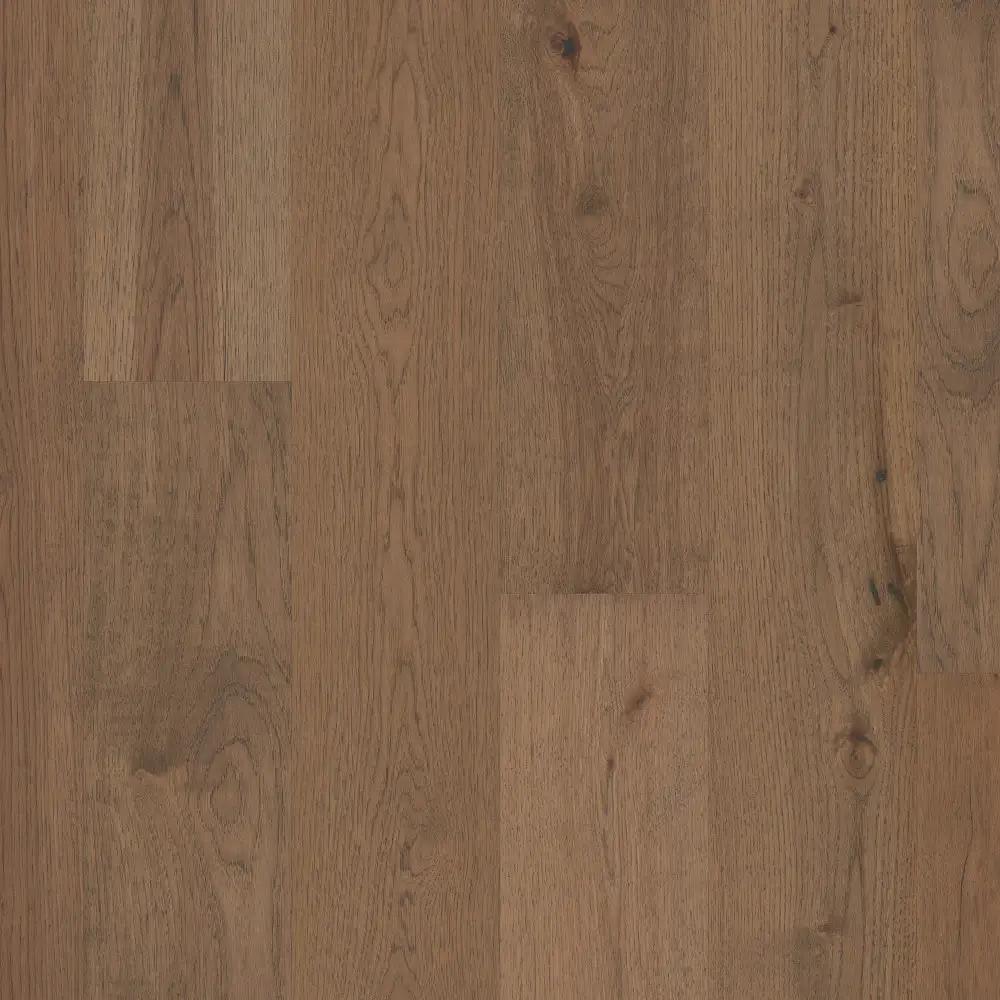 See it in your roomAsk about this
Imperial Pecan
Hazel
7.5" × 1/2" pecan · Smooth
Anderson Tuftex
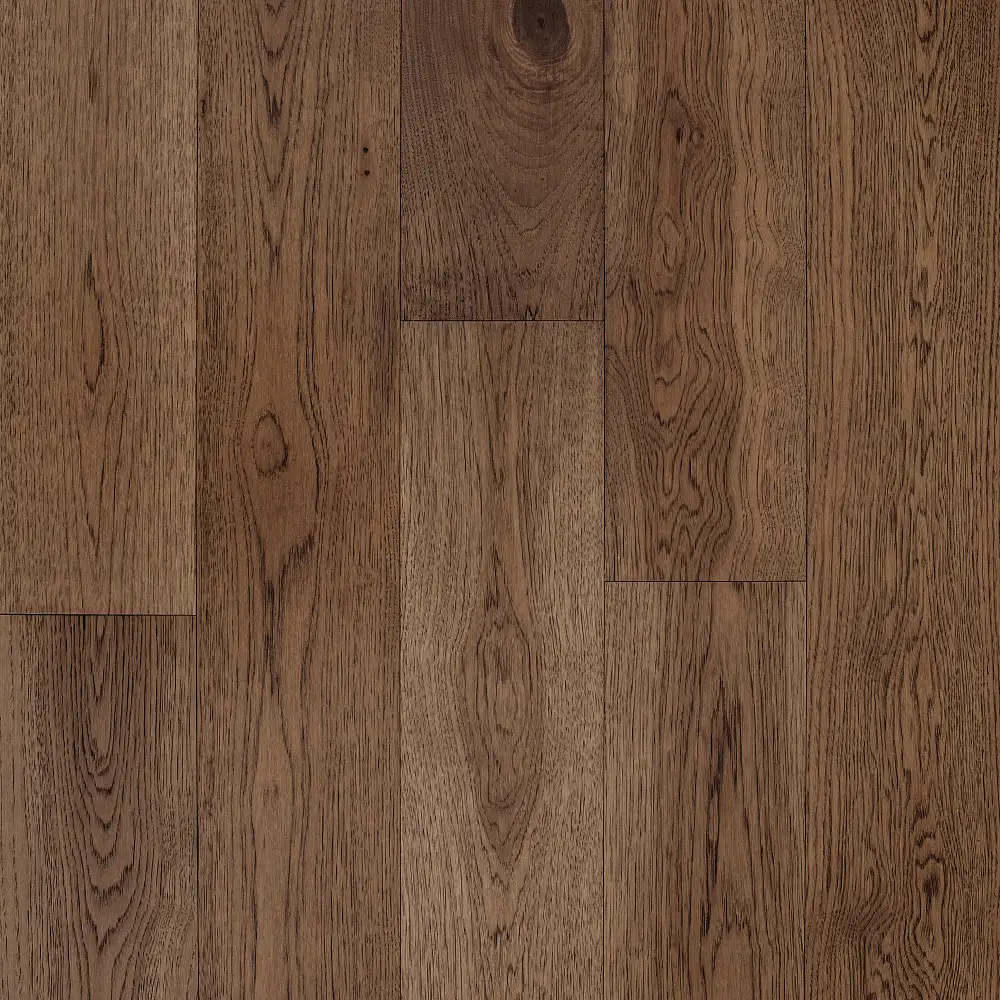 See it in your roomAsk about this
Imperial Pecan
Millet
7.5" × 1/2" pecan · Smooth
Anderson Tuftex
 See it in your roomAsk about this
Imperial Pecan
Mushroom
7.5" × 1/2" pecan · Smooth
Anderson Tuftex
Laminate
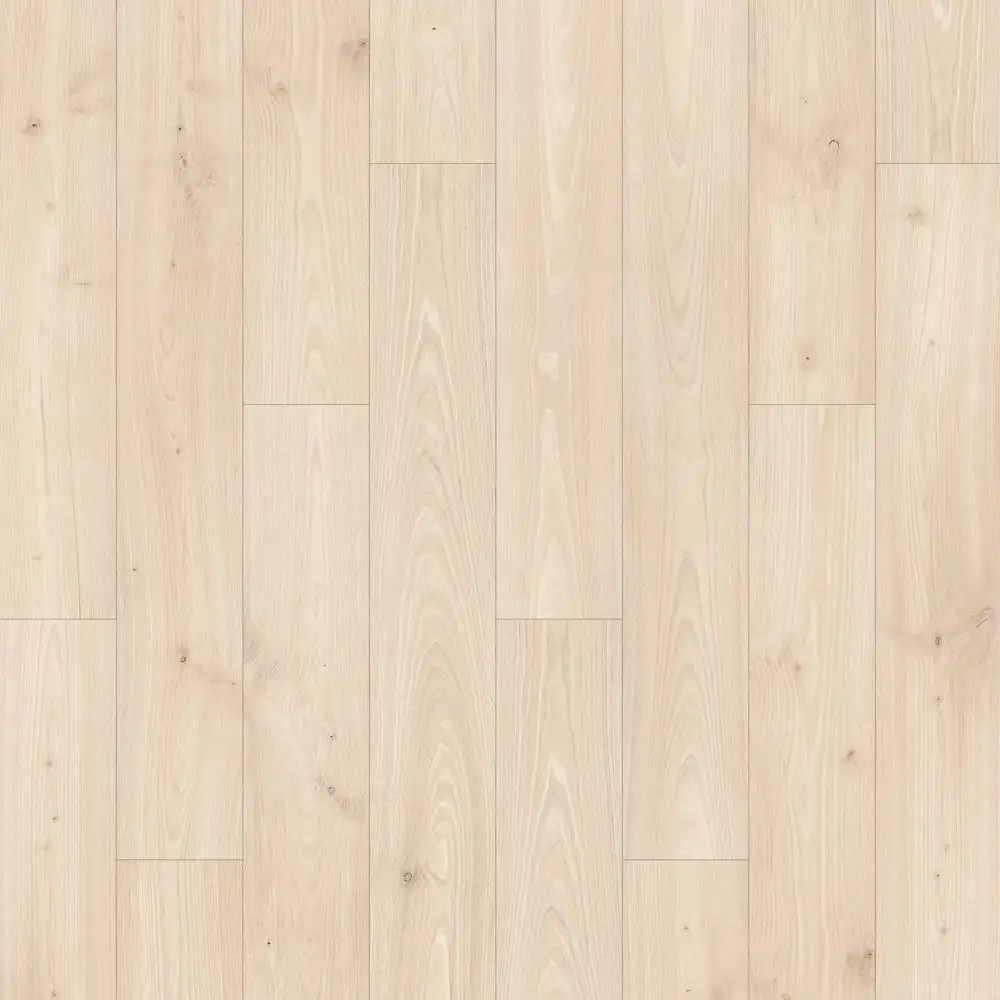
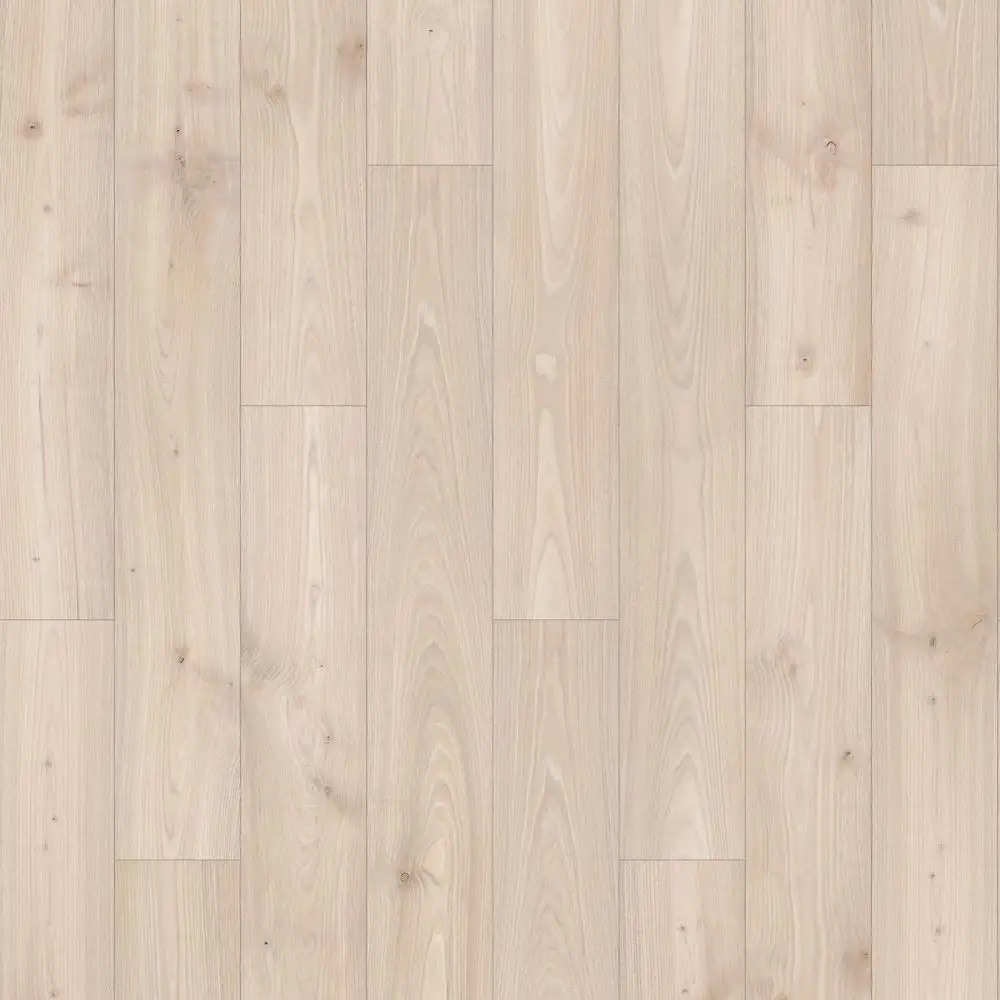
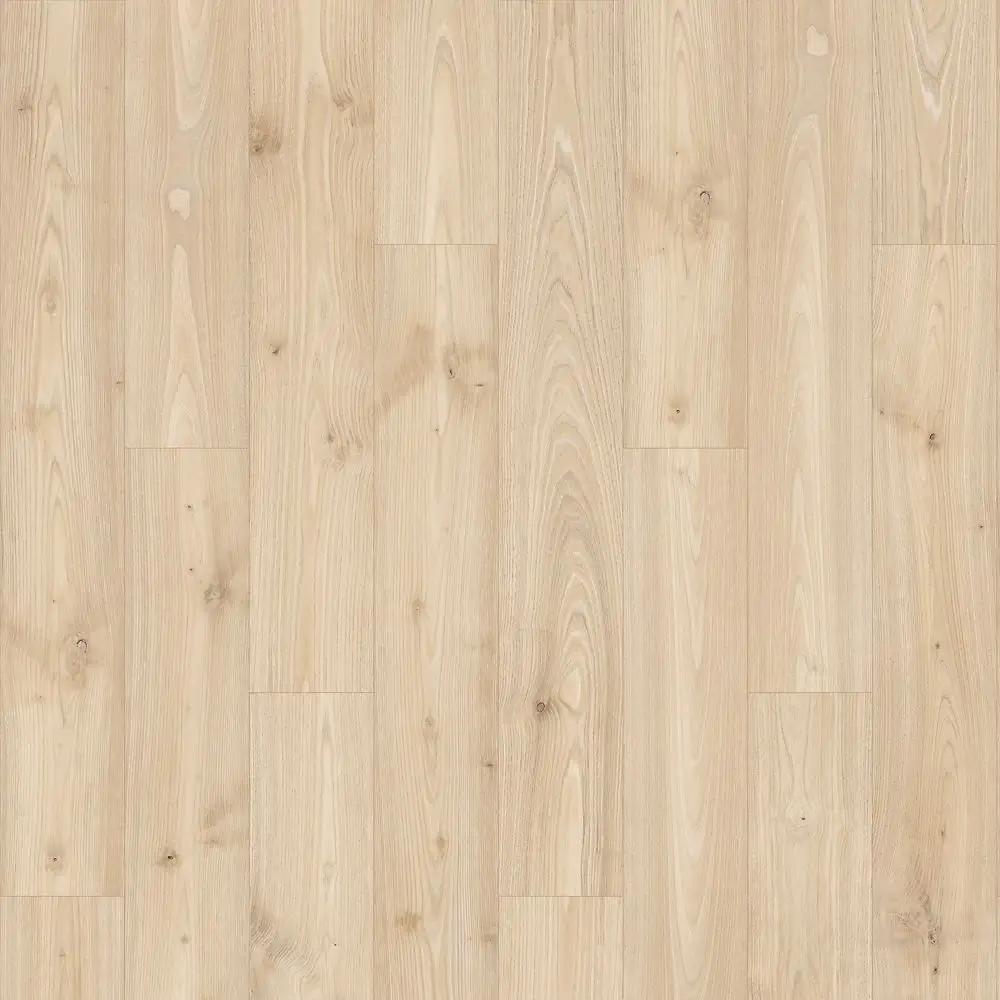
Waterproof laminate with an integrated moisture barrier — the budget-friendly way to get a convincing wood floor.
 See it in your roomAsk about this
RevWood Plus · Madison Aisle
Sandhill Chestnut
7.5" plank · WetProtect · Textured
Mohawk
 See it in your roomAsk about this
RevWood Plus · Madison Aisle
Pewter Chestnut
7.5" plank · WetProtect · Textured
Mohawk
 See it in your roomAsk about this
RevWood Plus · Madison Aisle
Ivory Chestnut
7.5" plank · WetProtect · Textured
Mohawk
 See it in your roomAsk about this
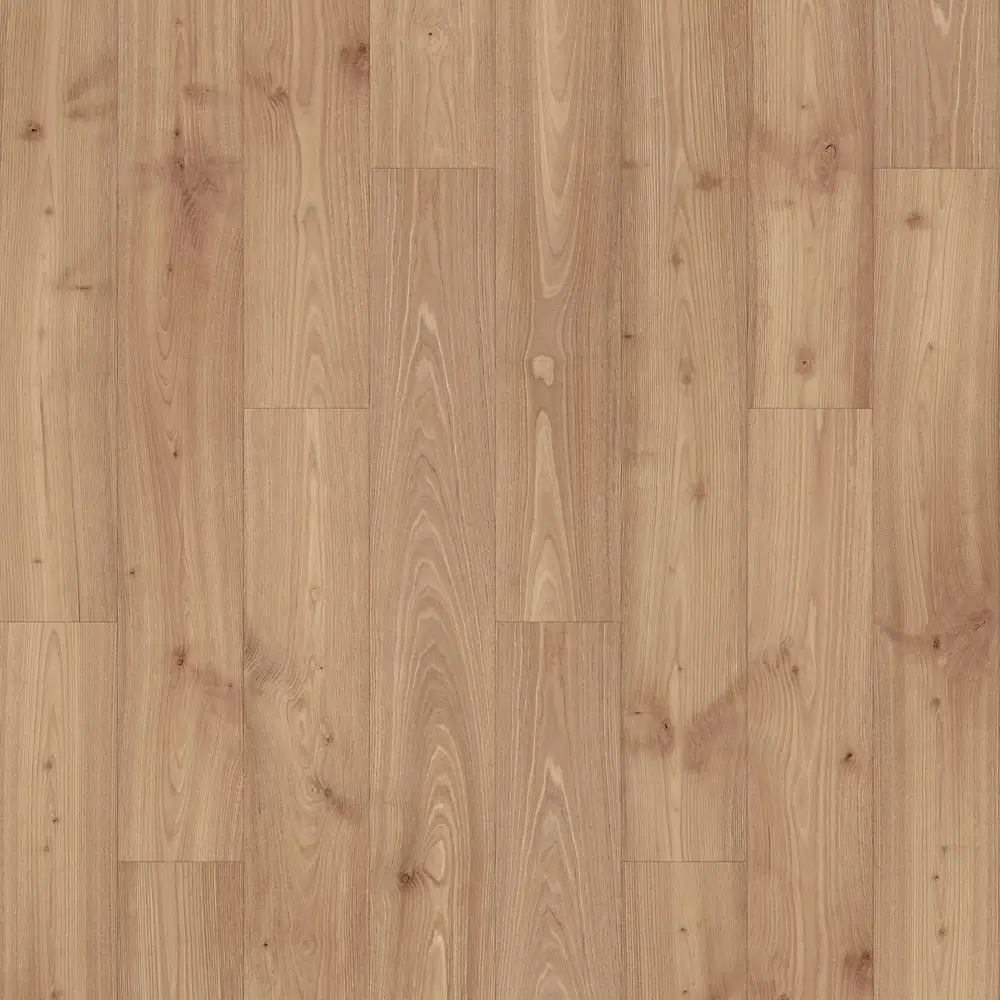
RevWood Plus · Madison Aisle
Brass Chestnut
7.5" plank · WetProtect · Textured
Mohawk
 See it in your roomAsk about this
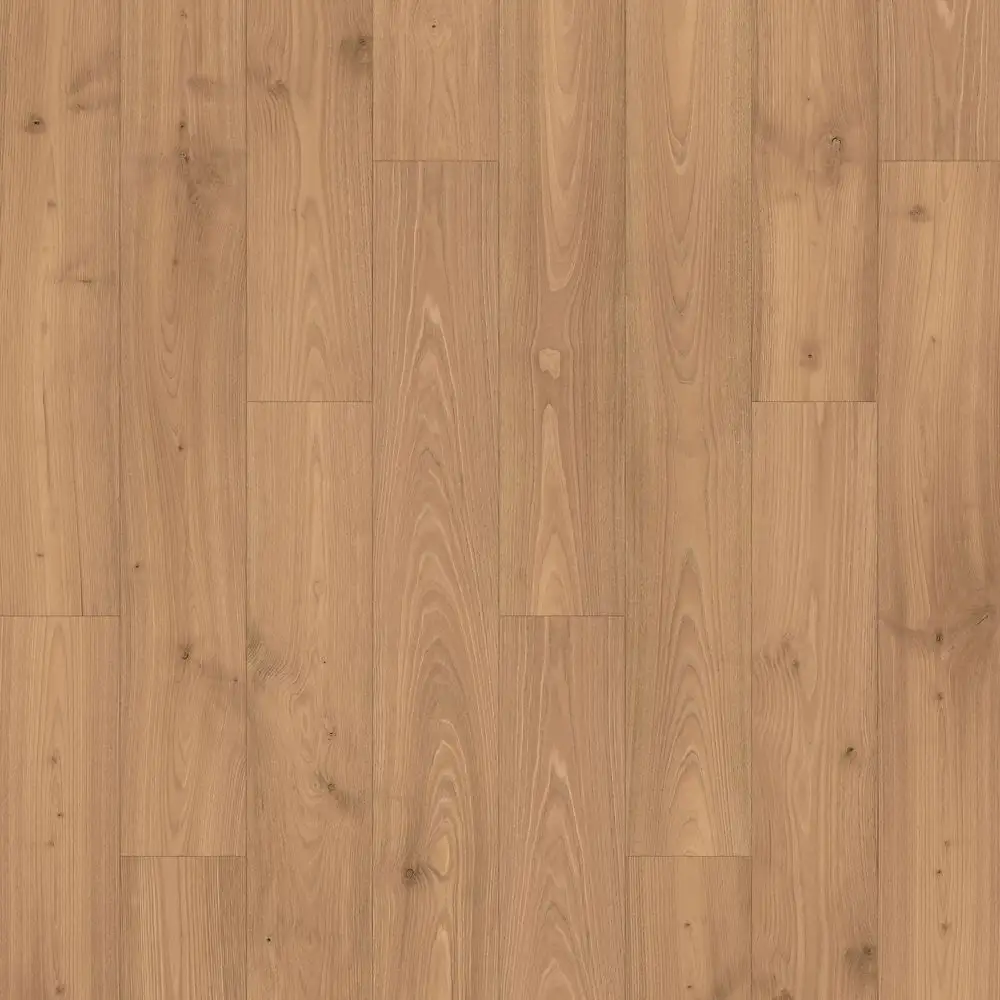
RevWood Plus · Madison Aisle
Toffee Chestnut
7.5" plank · WetProtect · Textured
Mohawk
 See it in your roomAsk about this
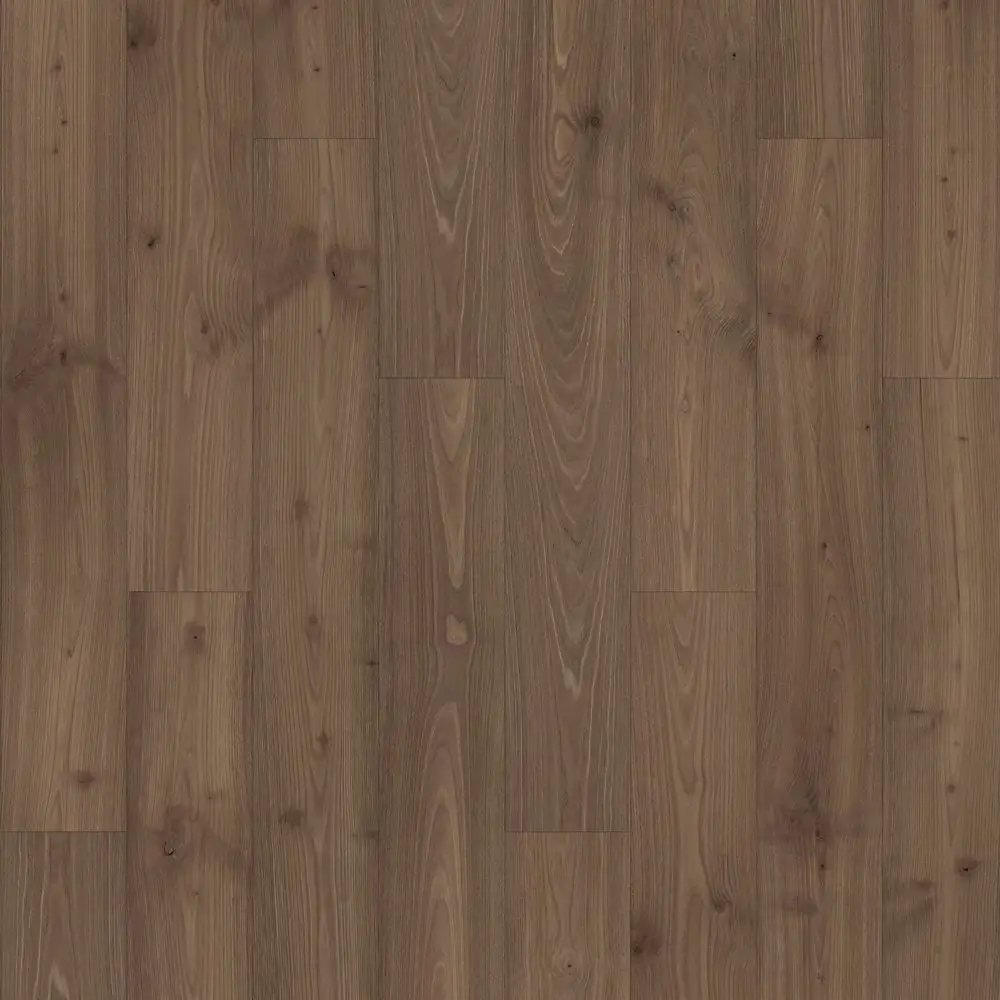
RevWood Plus · Madison Aisle
Molasses Chestnut
7.5" plank · WetProtect · Textured
Mohawk
Luxury Vinyl Plank
100% waterproof SPC in wide luxury widths — our most-installed floor for busy households.
 Ask about this
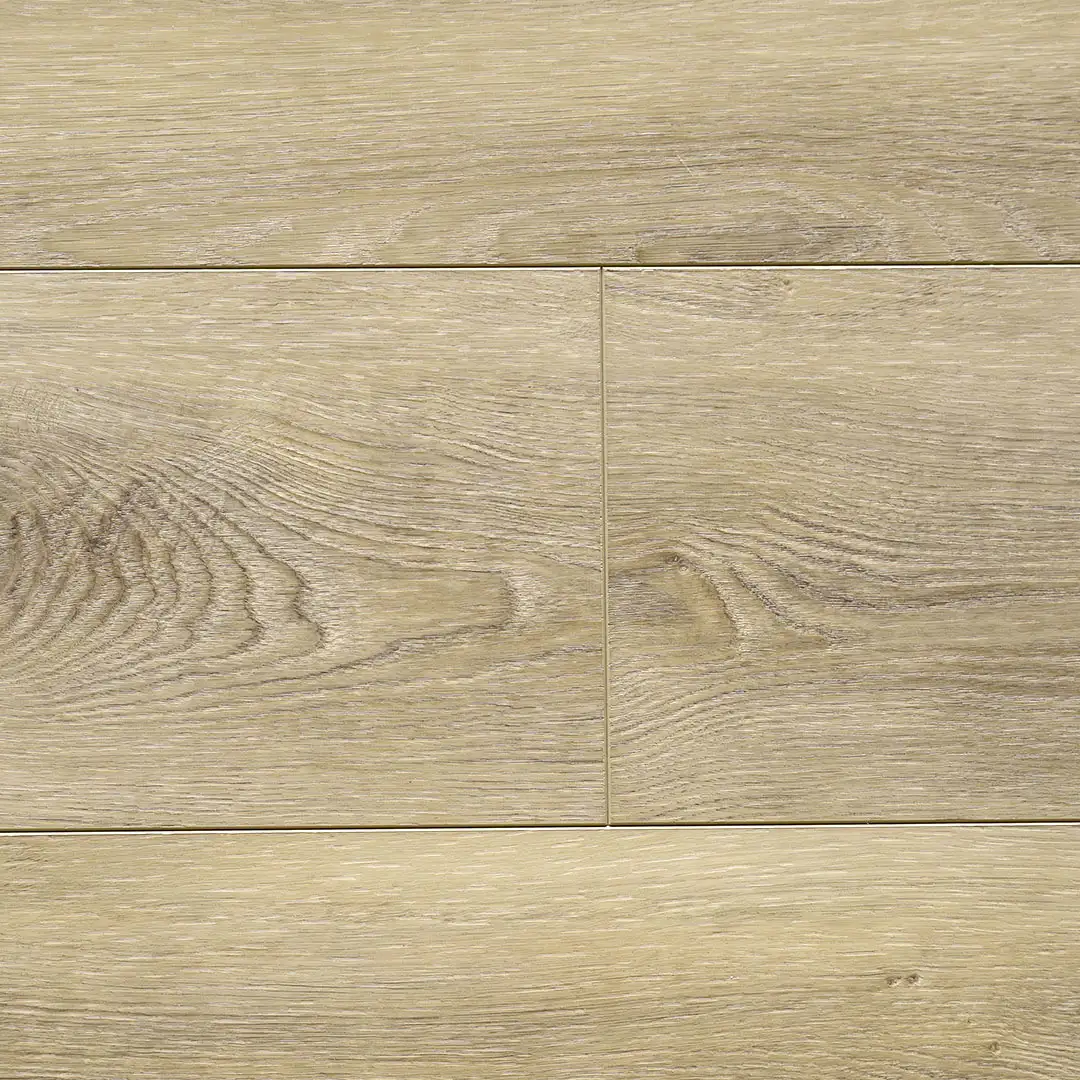
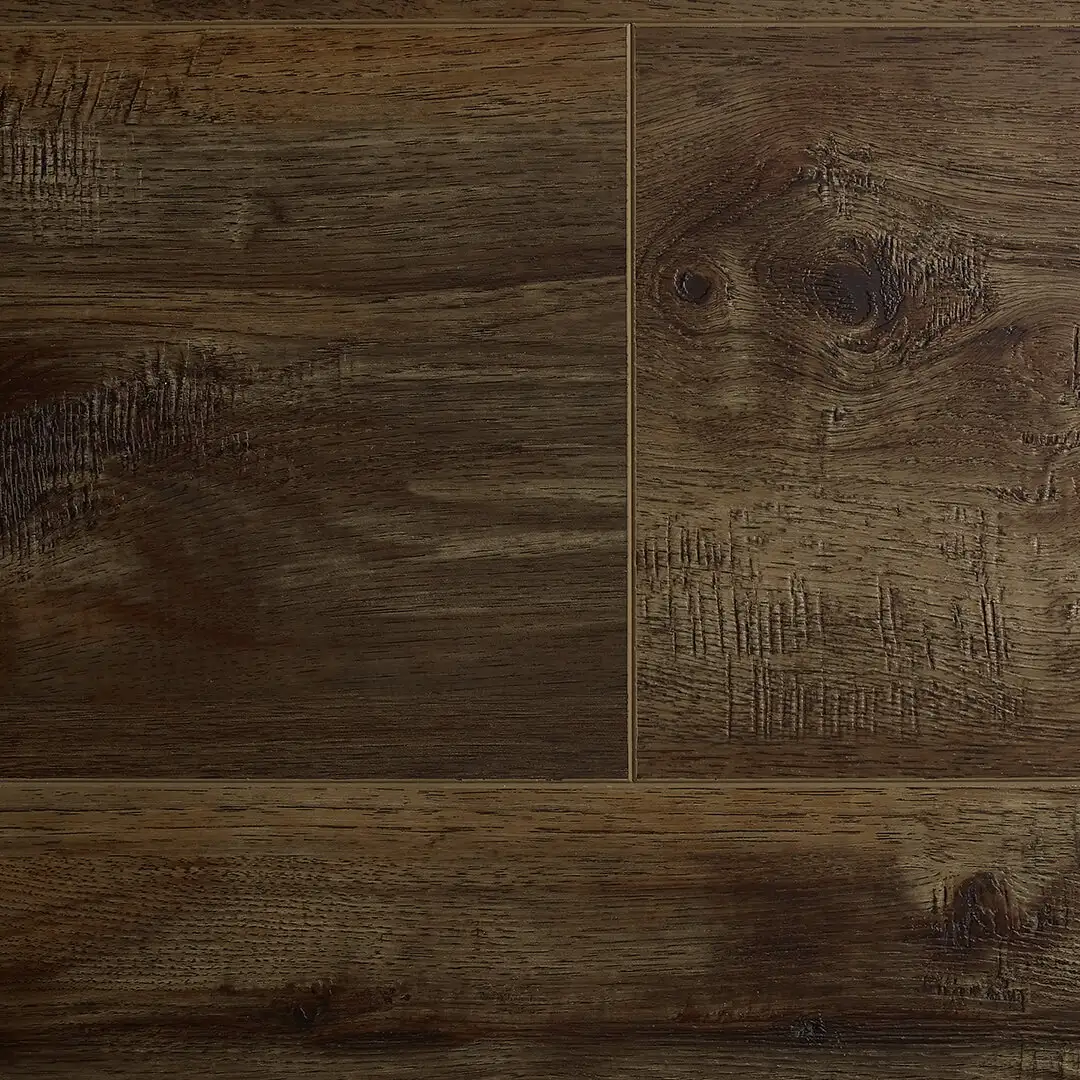
Innova
Ash Creek
9" width SPC · 7/32" thick · Textured
Artisan Hardwood
 Ask about this
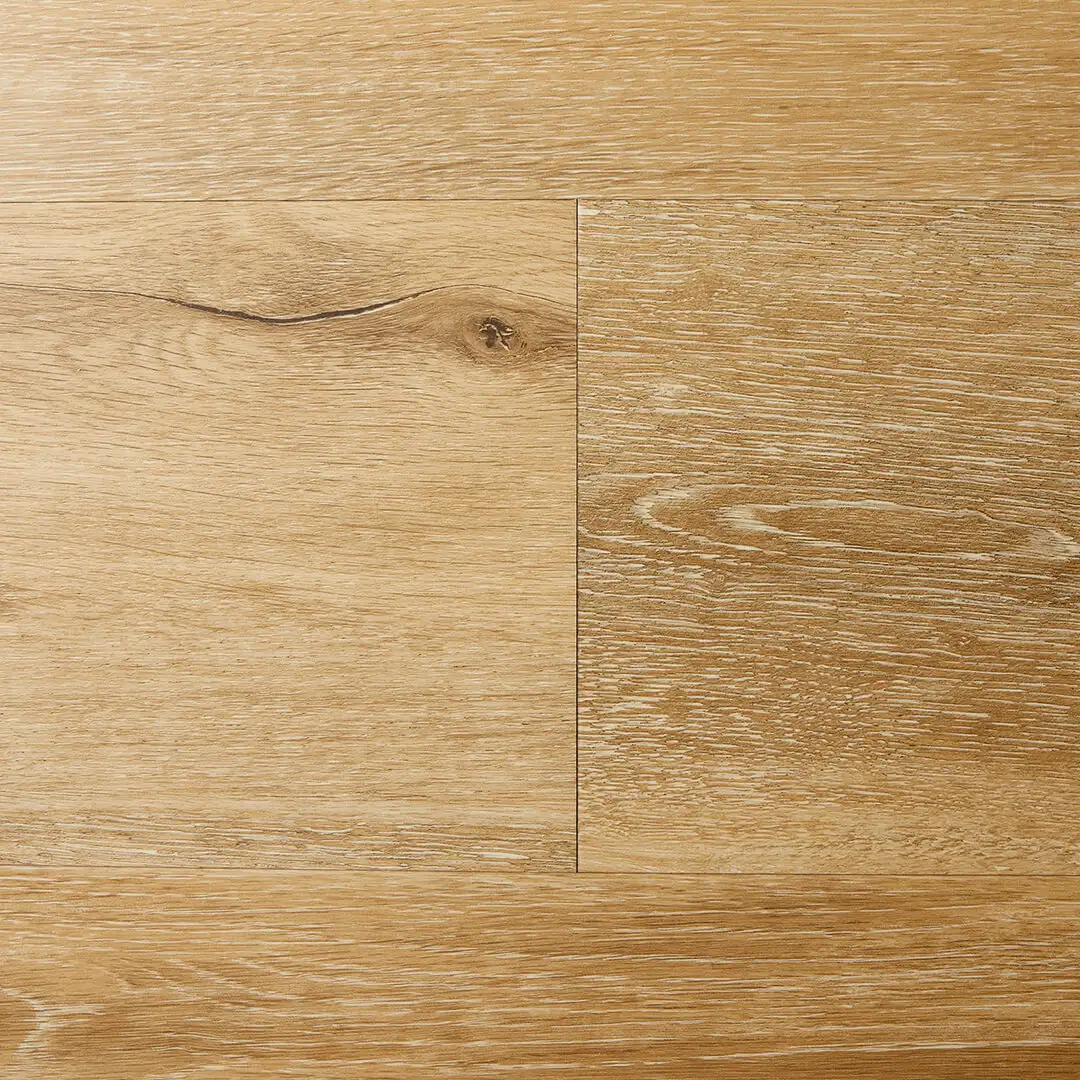
Innova
Golden Meadow
9" width SPC · 7/32" thick · Textured
Artisan Hardwood
 Ask about this
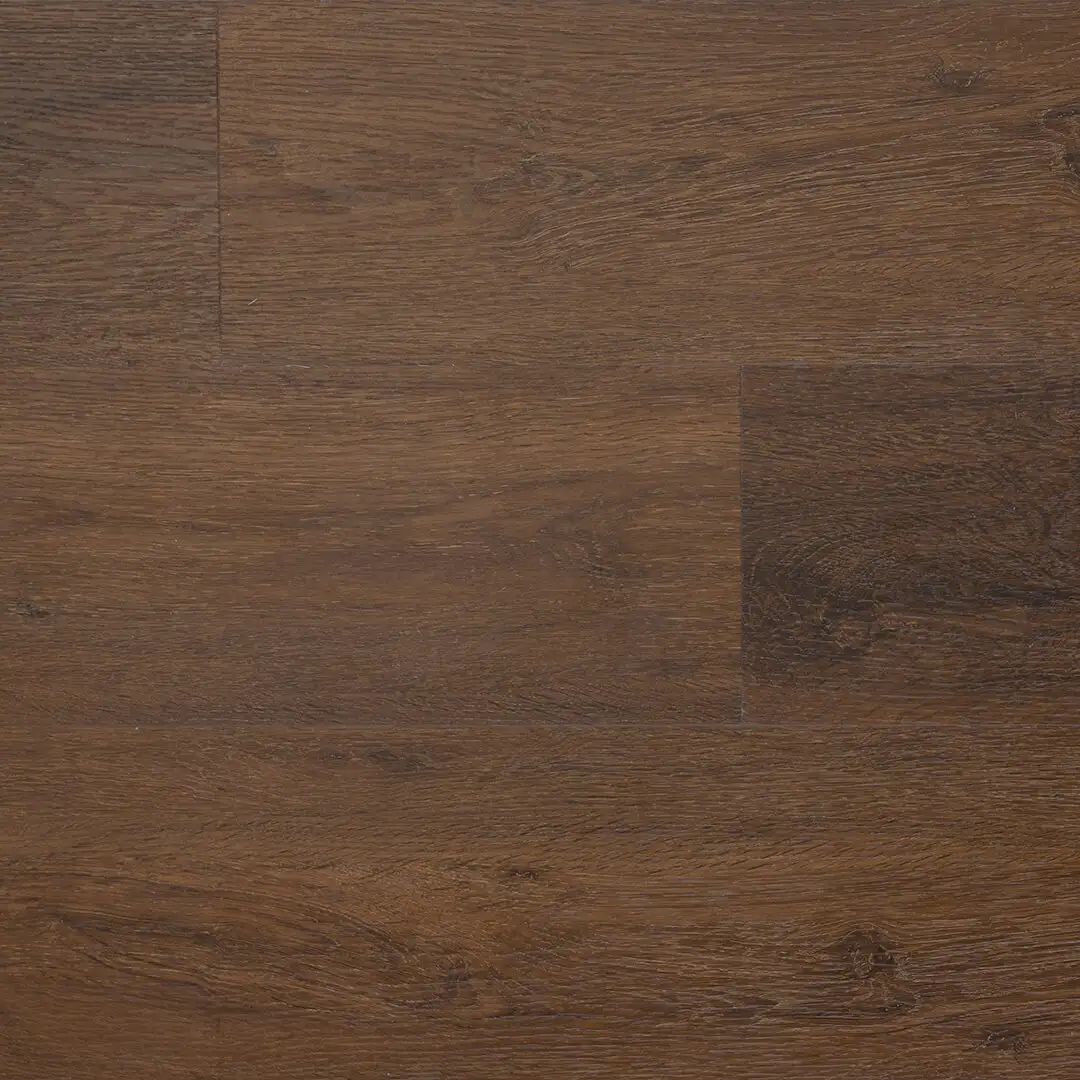
Innova
Howell Mountain
9" width SPC · 7/32" thick · herringbone available · Textured
Artisan Hardwood
 Ask about this
Innova
Channel Islands
7" width SPC · 7/32" thick · Textured
Artisan Hardwood
Soft, durable EnVision nylon carpet for bedrooms, stairs, and quiet living spaces.
Essential
Six of the line’s easy neutrals in EnVision nylon — the dependable choice for bedrooms, stairs, and whole-floor coverage.
 See it in your roomAsk about this
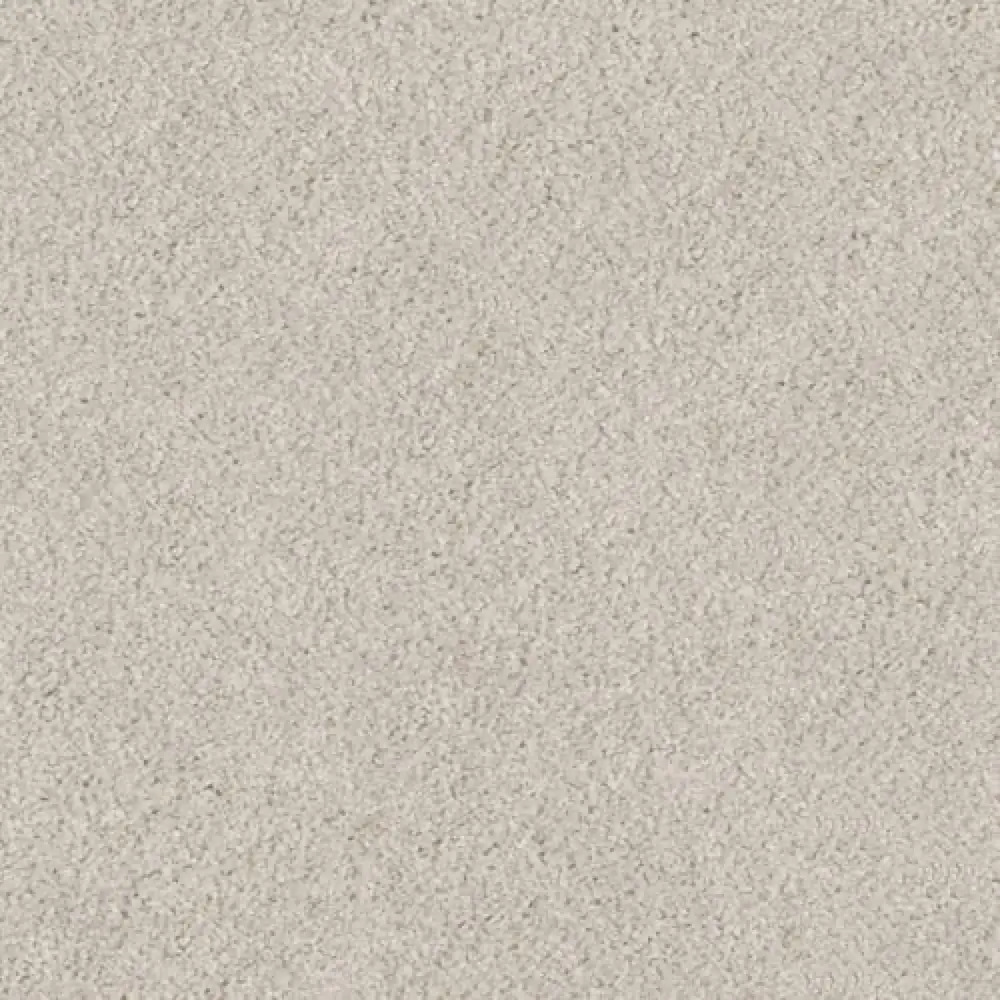
Essential · EnVision nylon
Moonbeam
12' broadloom · Cut pile
DH Floors
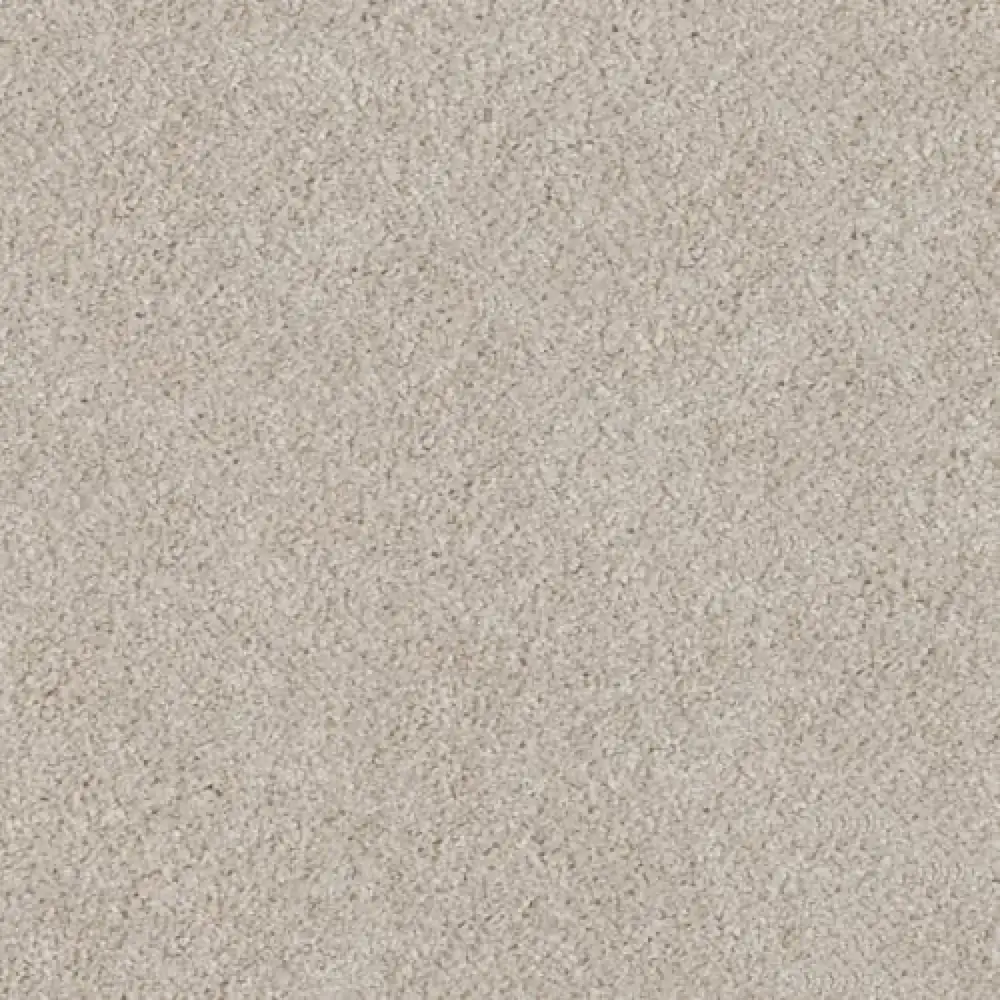
 See it in your roomAsk about this
Essential · EnVision nylon
Morning Mist
12' broadloom · Cut pile
DH Floors
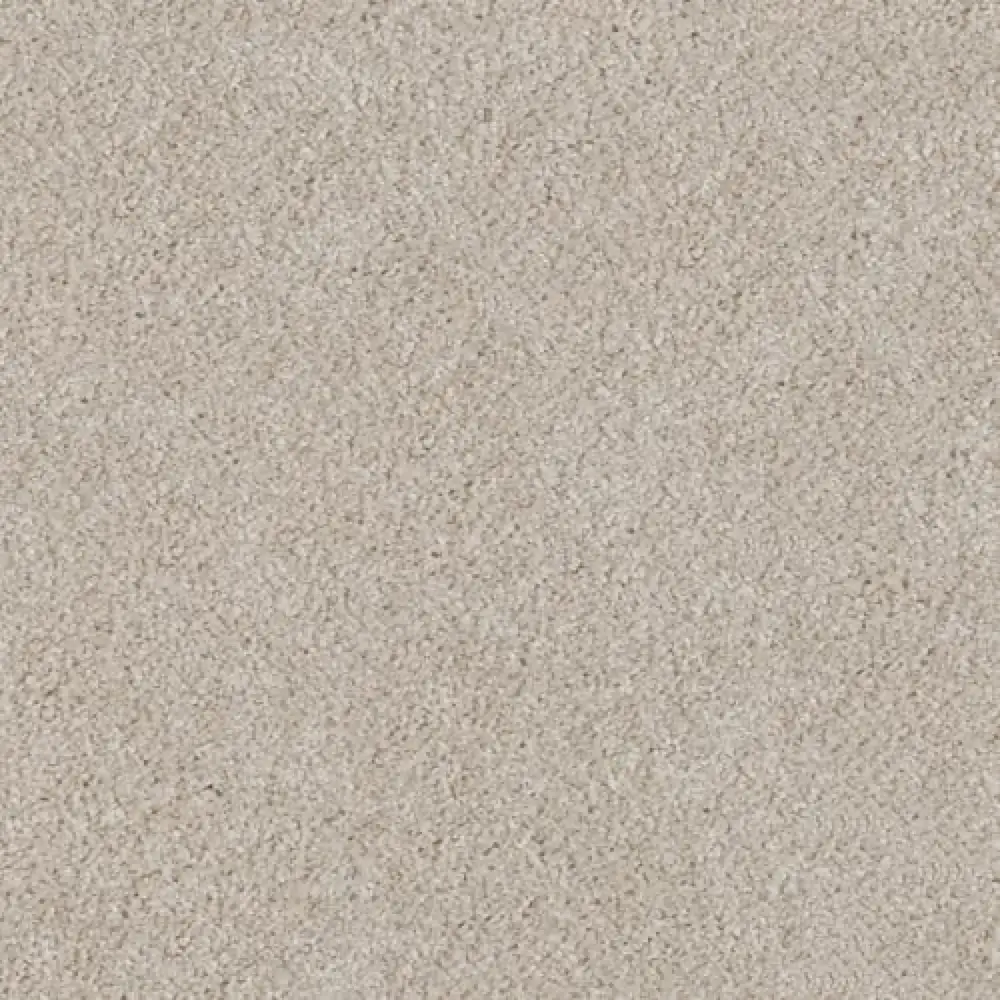
 See it in your roomAsk about this
Essential · EnVision nylon
Pebble Path
12' broadloom · Cut pile
DH Floors
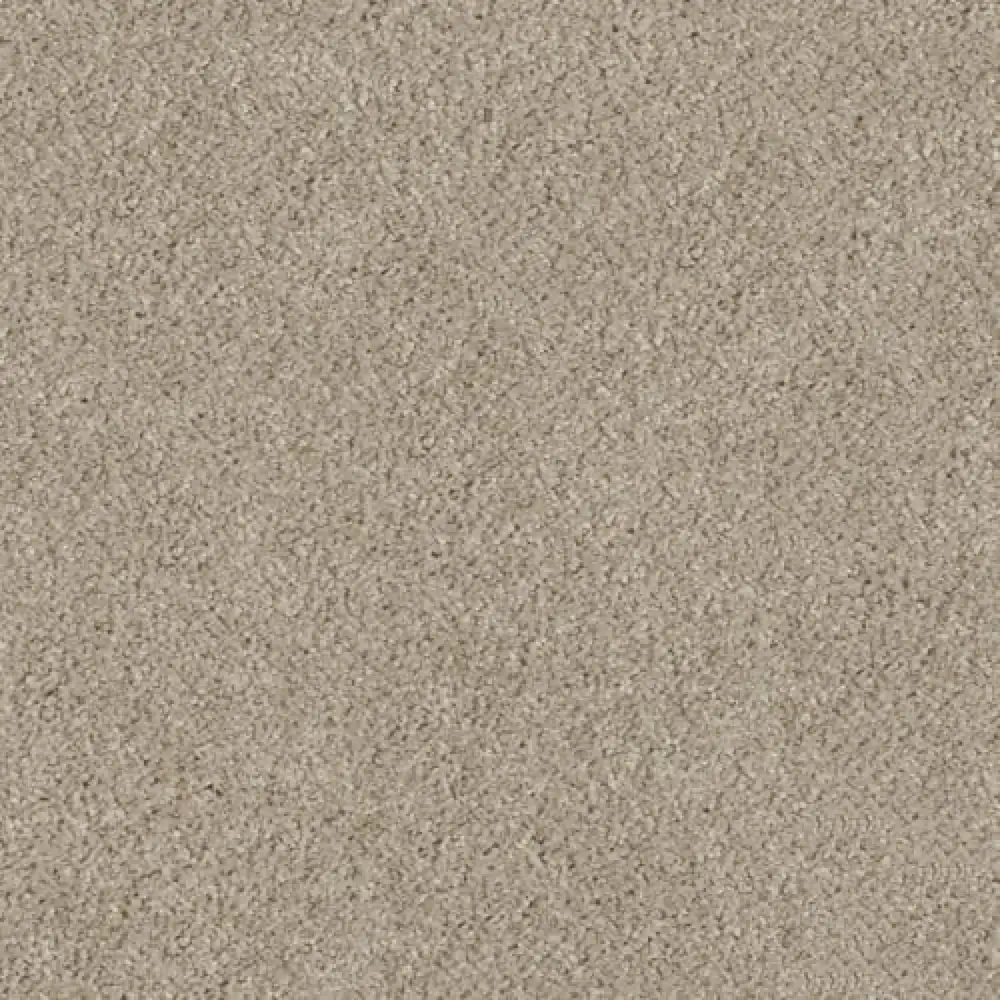
 See it in your roomAsk about this
Essential · EnVision nylon
Sandcastle
12' broadloom · Cut pile
DH Floors
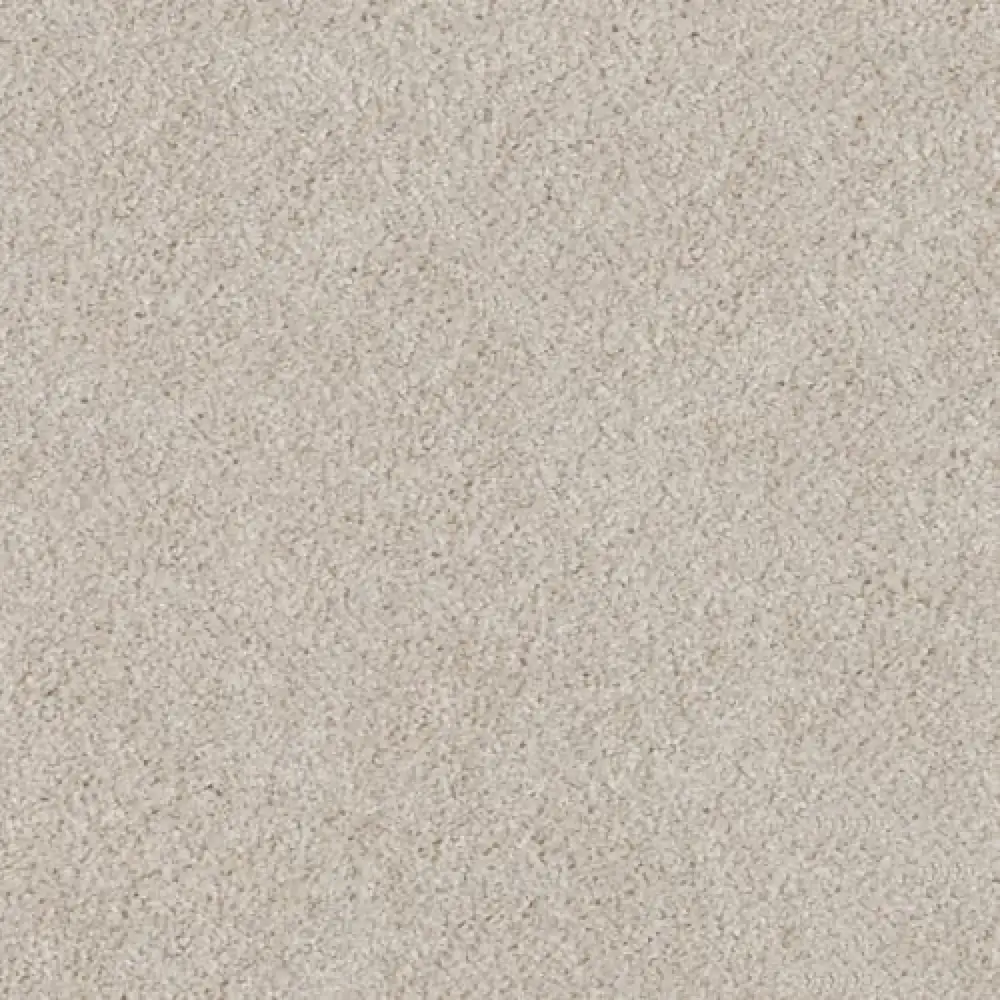
 See it in your roomAsk about this
Essential · EnVision nylon
Shell Beige
12' broadloom · Cut pile
DH Floors
 See it in your roomAsk about this
Essential · EnVision nylon
Natural Grain
12' broadloom · Cut pile
DH Floors
Authentic
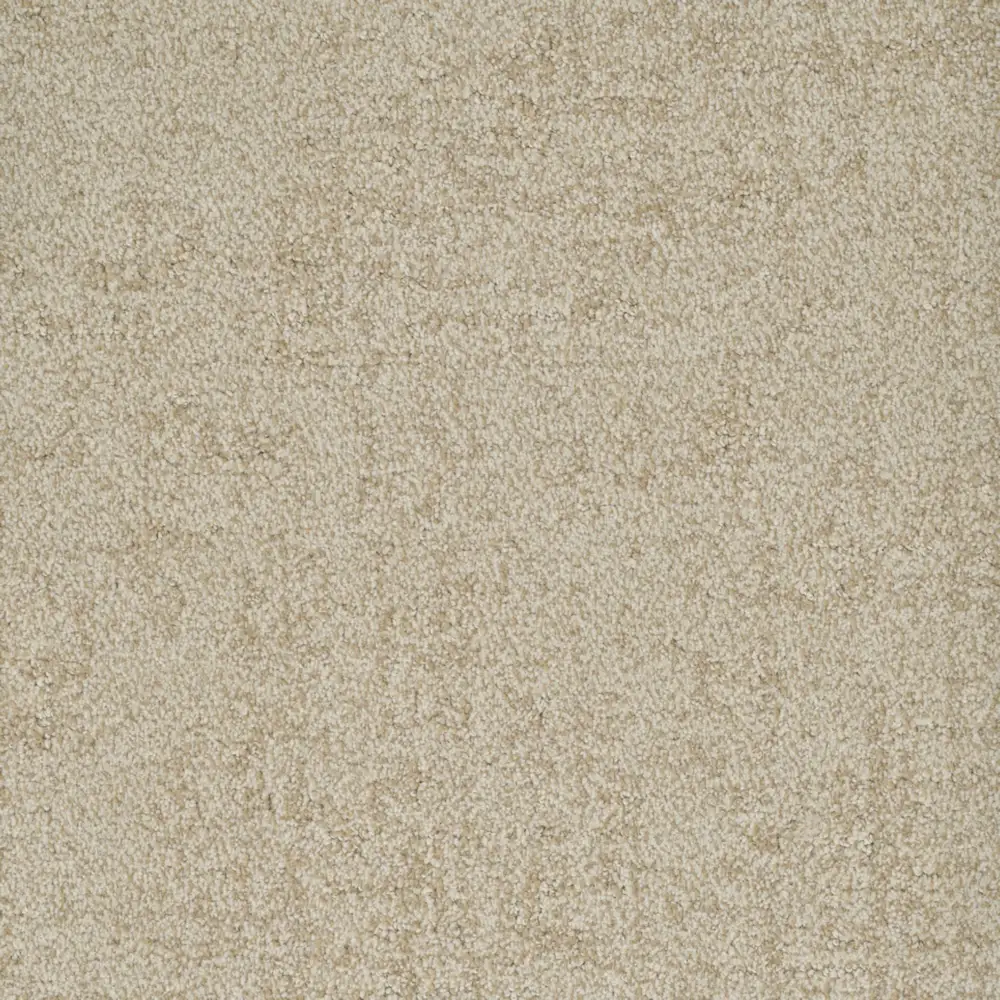
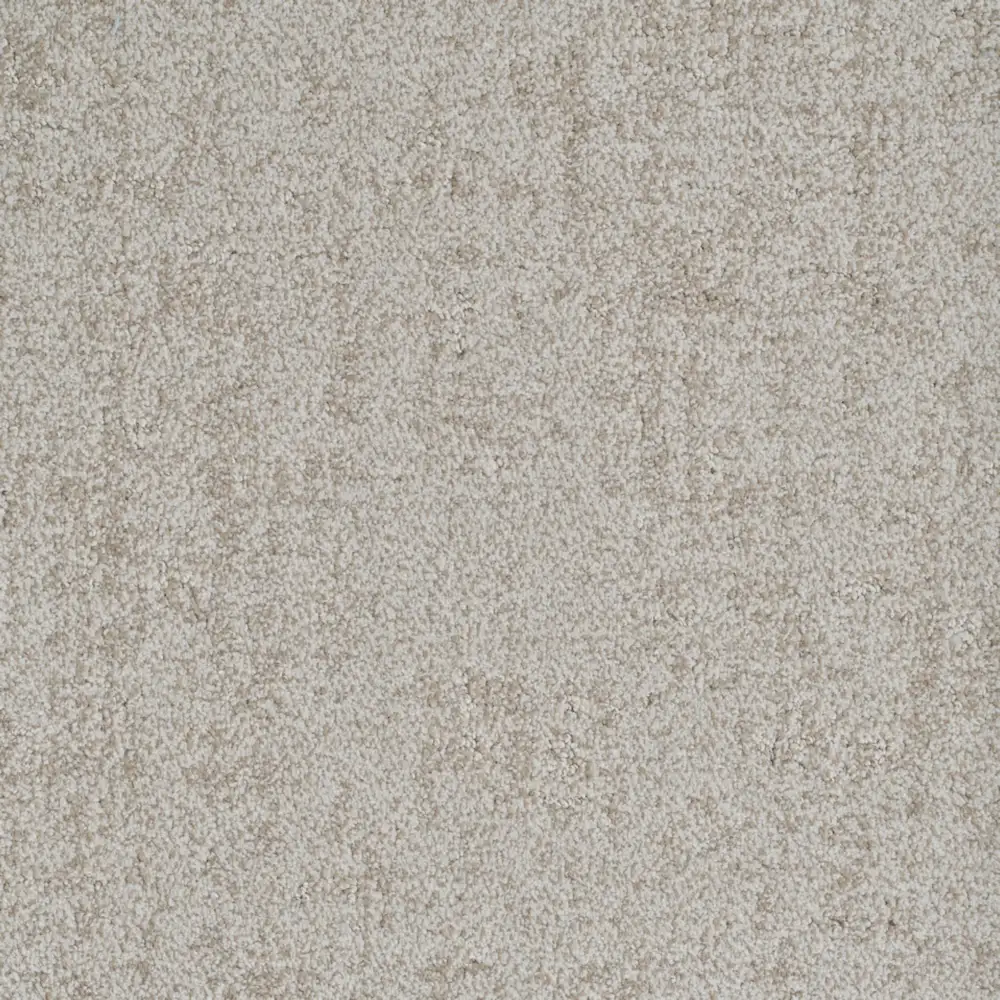
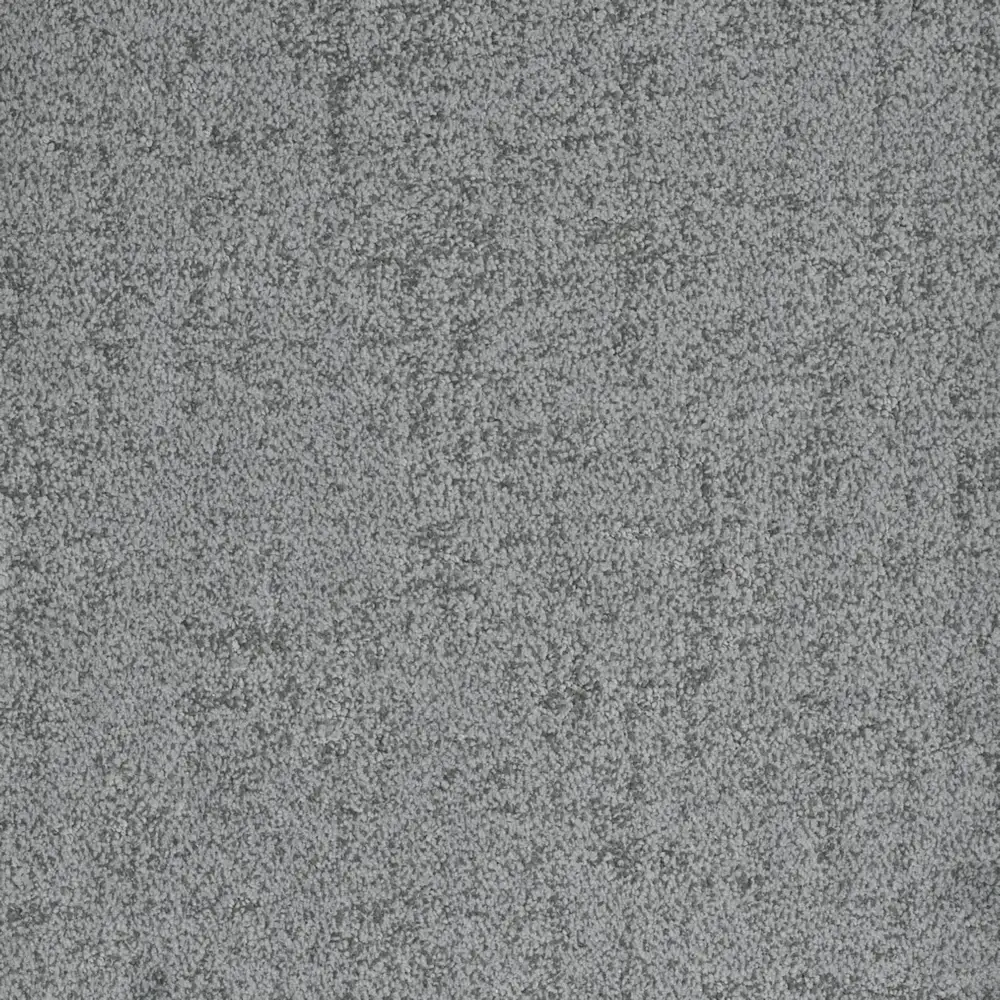
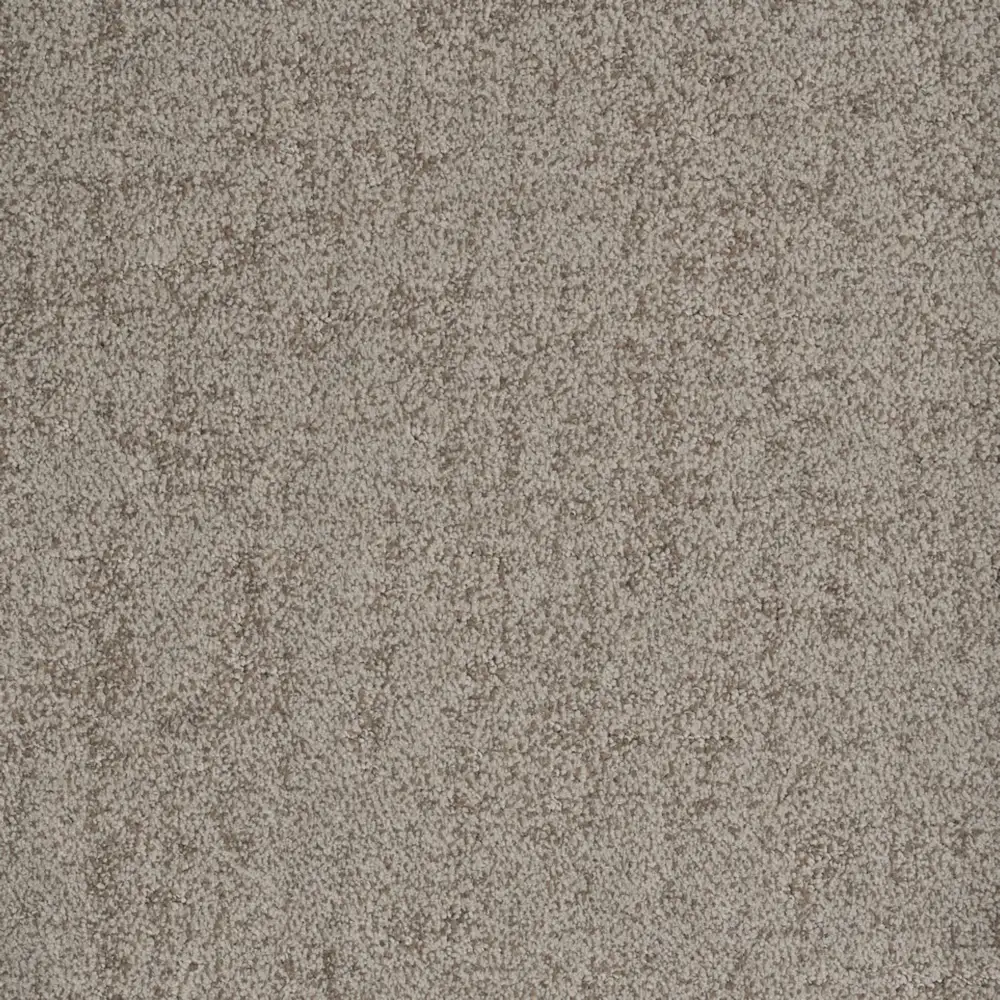
A style-forward EnVision nylon line that reaches past beige into blues, greens, and warm earth tones.
 See it in your roomAsk about this
Authentic · EnVision nylon
Worthy
12' broadloom · Cut pile
DH Floors
 See it in your roomAsk about this
Authentic · EnVision nylon
Verified
12' broadloom · Cut pile
DH Floors
 See it in your roomAsk about this
Authentic · EnVision nylon
Valid
12' broadloom · Cut pile
DH Floors
 See it in your roomAsk about this
Authentic · EnVision nylon
Undeniable
12' broadloom · Cut pile
DH Floors
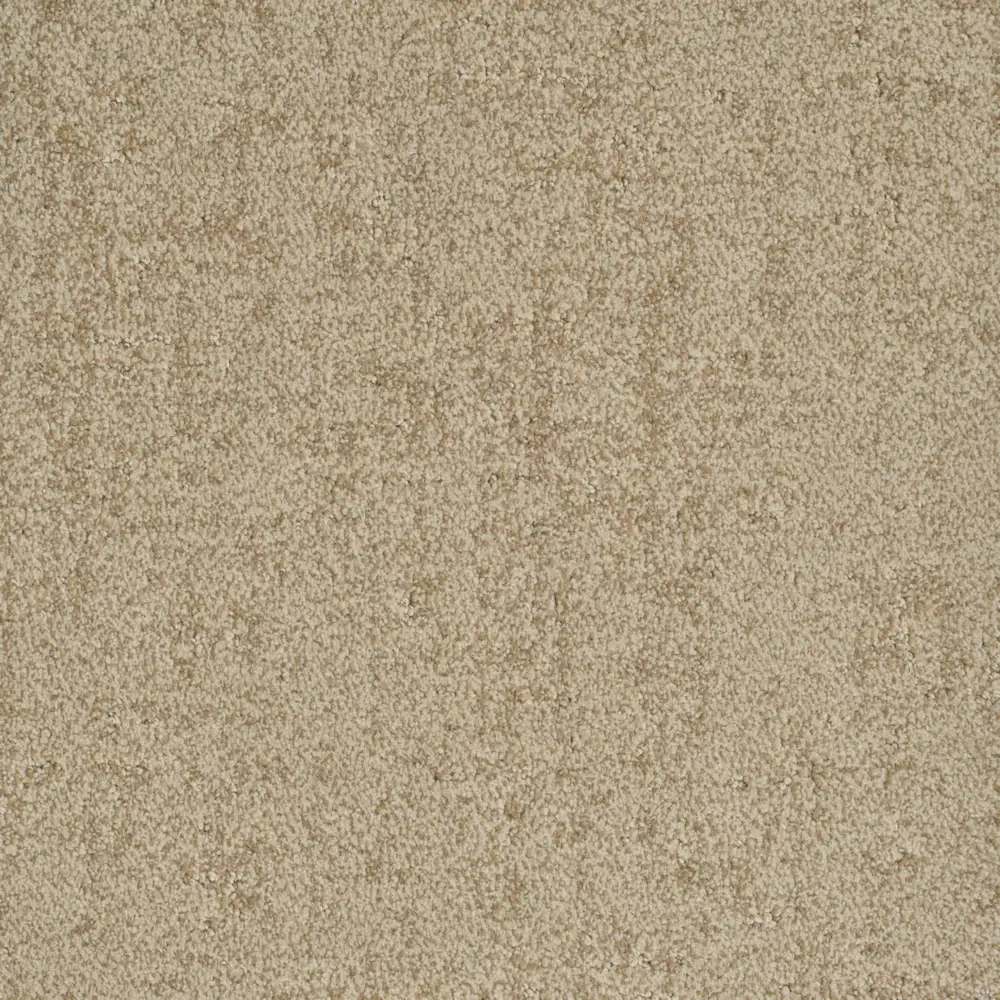 See it in your roomAsk about this
Authentic · EnVision nylon
Ultimate
12' broadloom · Cut pile
DH Floors
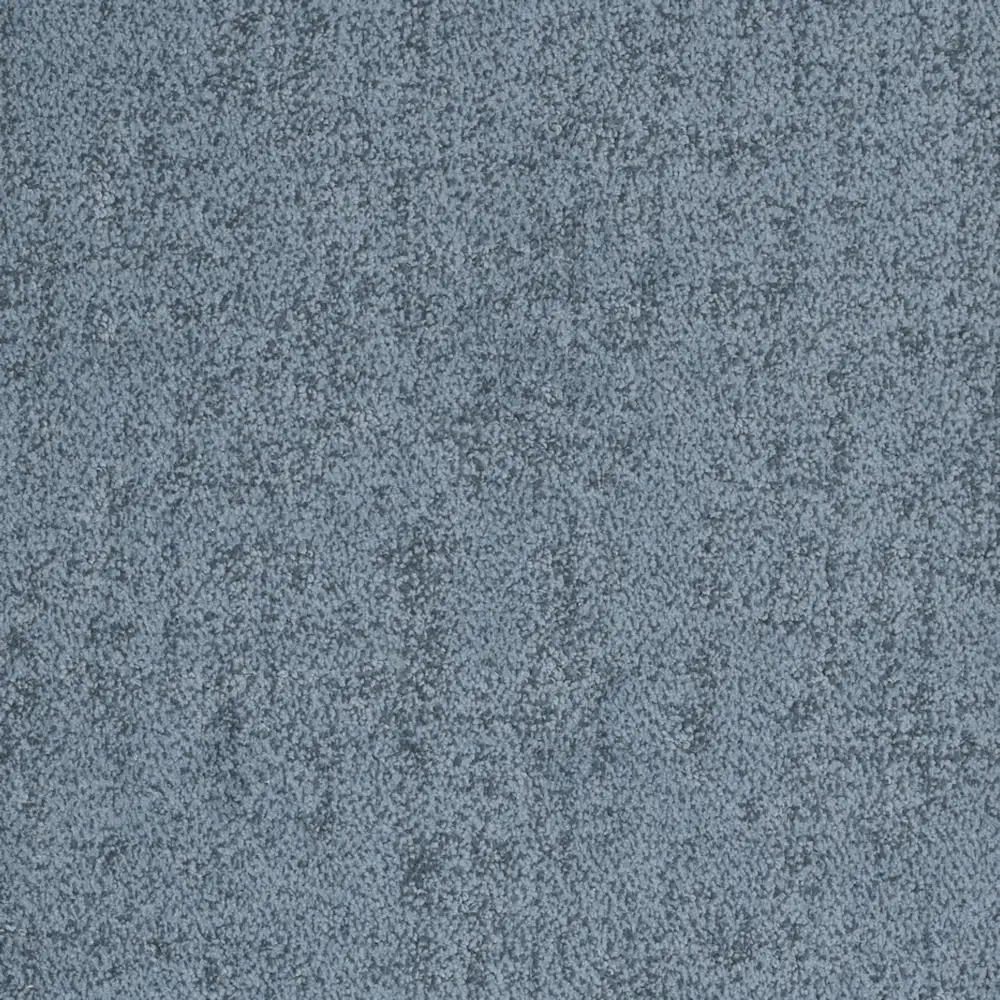 See it in your roomAsk about this
Authentic · EnVision nylon
True Blue
12' broadloom · Cut pile
DH Floors
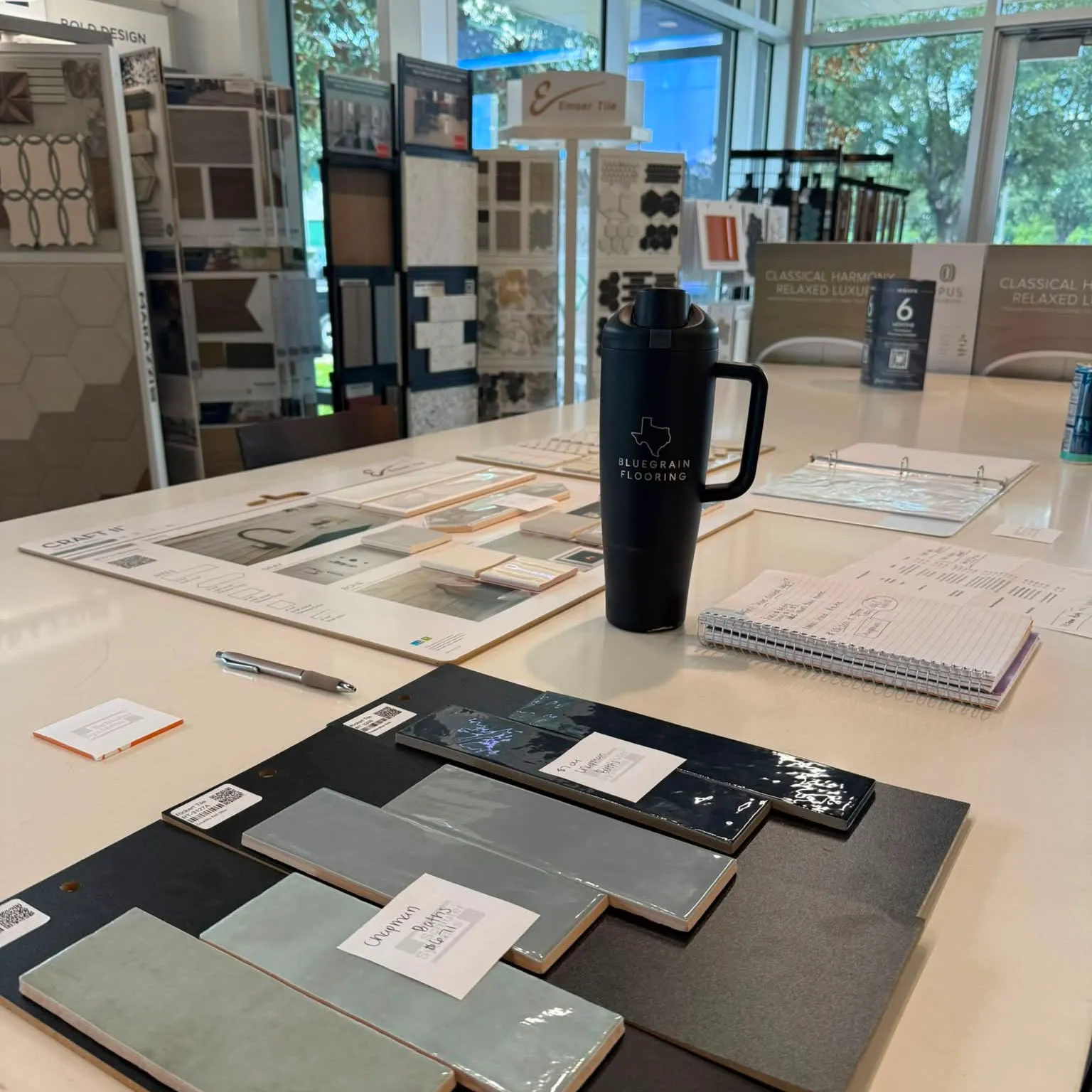
The design center
This page is the preview. The table is the decision.
Every project gets a sit-down with real samples — full-size boards and tiles you can hold, compare, and take home to check under your own light. Browse here, then come make the call in person.
Swatch images and product names are the property of their respective manufacturers and are shown to illustrate the products Bluegrain Flooring installs. "See it in your room" opens the manufacturer's own room visualizer (powered by Roomvo) in a new tab. Colors on screen are approximate — always judge from a physical sample. 84 selections shown.
From our showroom
Currently featured selections
Updated by our team. Ask us about availability and the right fit for your project.

Found something you love?
Get a free, no-obligation estimate today. Call or text us, or request a callback online — we'll handle the rest.